Acne Vulgaris
Understanding acne — causes, grading and skin care
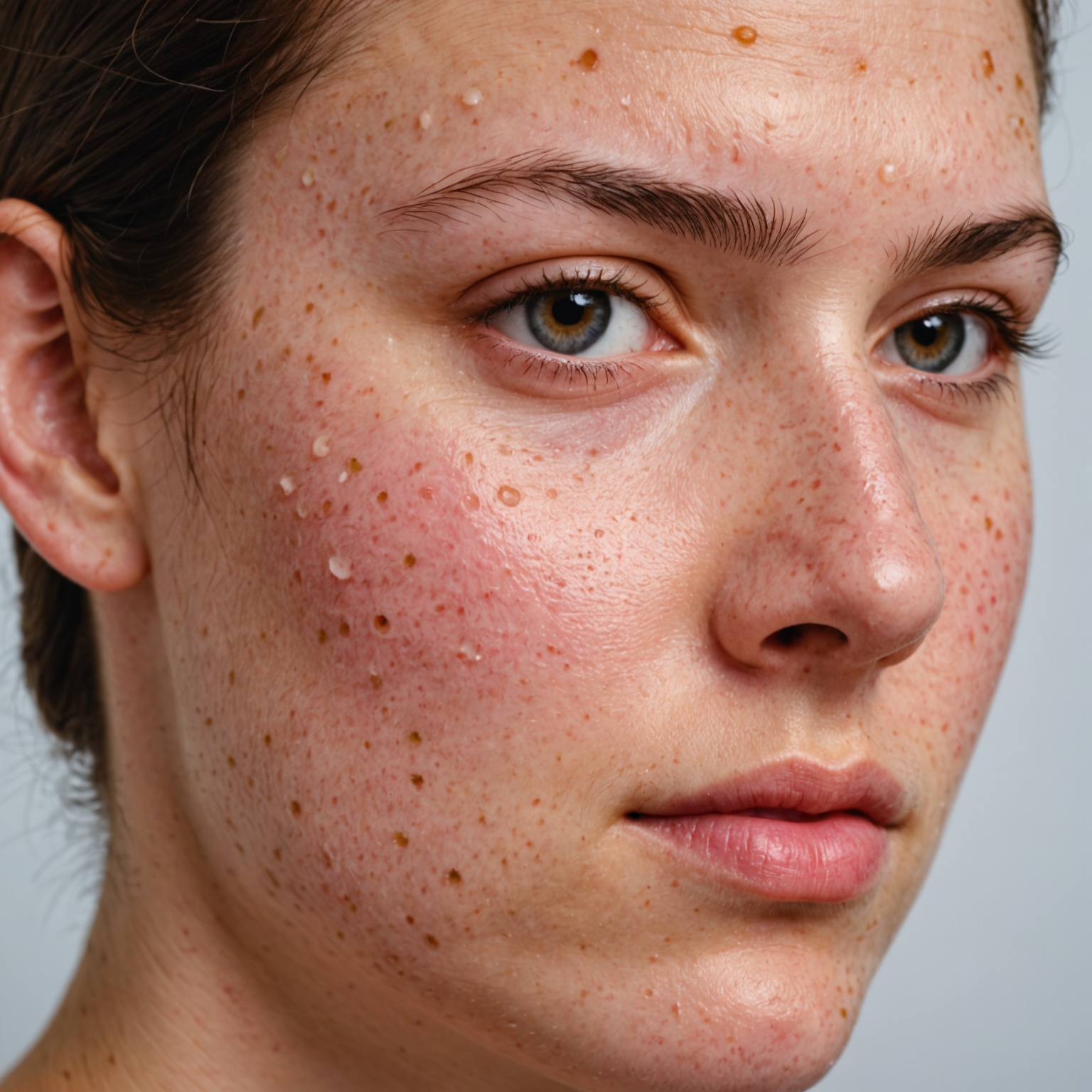
Acne vulgaris is the most common skin condition in the UK, affecting around 95% of people aged 11–30 to some degree. It is caused by blocked hair follicles and associated inflammation, and can range from mild blackheads and whiteheads to more severe inflamed spots, nodules and cysts. Acne can have a significant impact on self-esteem and mental health.
What is Acne?
Acne occurs when hair follicles become blocked with sebum (the natural oil produced by the skin) and dead skin cells. This creates an environment where bacteria, particularly Cutibacterium acnes (formerly Propionibacterium acnes), can thrive, leading to inflammation. The result is a range of lesions including open comedones (blackheads), closed comedones (whiteheads), papules (small red bumps), pustules (spots with pus), nodules (large, solid painful lumps) and cysts (painful pus-filled lumps that can cause scarring). Acne most commonly affects the face, but can also affect the back, chest and shoulders.
What Causes Acne?
Acne is driven by four key factors: excess sebum production, follicular hyperkeratinisation (abnormal shedding of skin cells in the follicle), colonisation with C. acnes bacteria, and inflammation. Hormonal changes are a major driver — this is why acne is so common during puberty, and why some women experience flares around menstruation, pregnancy or when starting or stopping hormonal contraception. Other contributing factors include a family history of acne, certain medications (corticosteroids, lithium), and skin products that are comedogenic. Contrary to popular belief, diet and hygiene play only a minor role for most people.
Grading Acne Severity
Acne severity is assessed to guide treatment decisions. Mild acne involves mainly non-inflammatory comedones with few papules or pustules. Moderate acne is characterised by a greater number of papules and pustules, predominantly on the face. Severe acne involves widespread lesions, nodules, cysts and is at risk of scarring. The Leeds acne grading system and Global Acne Grading Score (GAGS) are used in clinical practice.
Skin Care & Lifestyle
Good skin care is an important part of managing acne. Use a gentle, non-soap cleanser twice daily — harsh scrubbing can worsen inflammation. Always choose non-comedogenic (non-pore-blocking) moisturisers and cosmetics. Avoid picking or squeezing spots, as this can worsen inflammation and increase the risk of scarring. Sun protection is important, particularly if using topical retinoids or certain oral antibiotics which can increase photosensitivity. A structured evaluation of skin care habits and lifestyle factors at each review helps identify changes that may be driving flares — including cosmetic products, diet and stress levels. The psychological impact of acne should not be underestimated — speak to your GP if your skin is affecting your mood or self-confidence.