Acute Kidney Injury (AKI)
Sudden kidney damage — recognition, causes and safe management
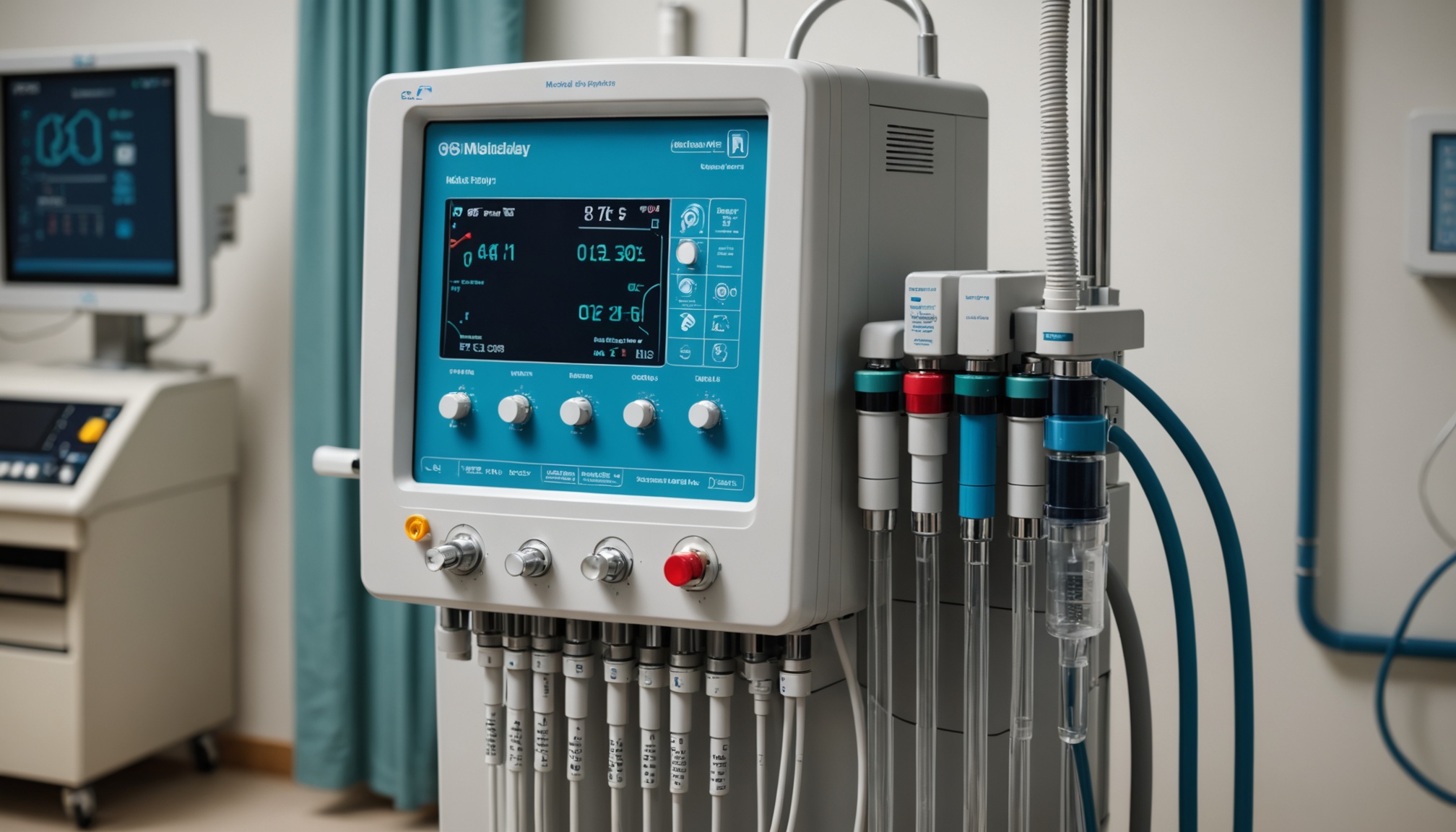
Acute kidney injury (AKI) is a sudden deterioration in kidney function that develops over hours or days. It is a serious medical condition affecting around 1 in 5 people admitted to hospital and requires prompt recognition and treatment to prevent lasting kidney damage.
What is AKI?
Acute kidney injury is a sudden and significant reduction in the kidneys' ability to filter waste products and excess fluid from the blood. Unlike chronic kidney disease, which develops slowly over months or years, AKI develops rapidly — often within 48 hours. The kidneys play a vital role in maintaining the body's fluid and chemical balance, regulating blood pressure, and producing important hormones. When AKI occurs, these functions are impaired, leading to a build-up of harmful waste products in the blood. AKI is graded in three stages of severity, from mild to severe, and prompt identification is essential to prevent progression and permanent kidney damage.
Causes of AKI
AKI has three main categories of cause. Pre-renal AKI — the most common type — occurs when the blood supply to the kidneys is reduced, often due to dehydration, severe infection (sepsis), blood loss, or heart failure. Intrinsic renal AKI occurs when the kidney tissue itself is damaged, for example by direct inflammation (glomerulonephritis), toxins, or prolonged low blood pressure. Post-renal AKI results from an obstruction to urine flow — such as a kidney stone, enlarged prostate, or tumour blocking the urinary tract. Certain medications are a common and preventable cause of AKI, including anti-inflammatory painkillers (NSAIDs such as ibuprofen), some blood pressure medicines, and certain antibiotics. The combination of an ACE inhibitor or ARB, a diuretic (water tablet), and an NSAID — known as the 'triple whammy' — is a well-recognised cause of AKI in the community.
Signs & Diagnosis
AKI can present with reduced urine output, swelling in the legs or around the eyes, breathlessness, nausea, confusion, and fatigue. However, AKI does not always cause obvious symptoms — particularly in the early stages — and is often detected through blood tests showing a rise in creatinine or urea. A urine test (dipstick and microscopy) and a kidney ultrasound may be performed to identify the cause. Blood tests for potassium, sodium, and bicarbonate help assess the severity and identify complications such as dangerous elevations in potassium levels (hyperkalaemia), which can cause serious heart rhythm disturbances.
Management & Recovery
Management of AKI depends on the underlying cause and is guided by careful evaluation of fluid status, urine output, blood test results, and vital signs. Treatment for pre-renal AKI involves restoring adequate fluid and blood supply to the kidneys, often with intravenous fluids in hospital. Any medications that may be harming the kidneys are stopped or paused. Obstruction must be relieved urgently. Most people with AKI recover fully with prompt treatment, but some may experience lasting kidney damage and an increased risk of developing chronic kidney disease in the future. Following recovery, kidney function should be checked regularly. Patients are advised to follow 'sick day rules' — temporarily stopping certain medications during illnesses such as vomiting, diarrhoea, or fever to protect the kidneys. If you notice reduced urine output, swelling, or feel unwell after a kidney injury, contact your GP or seek urgent medical attention.