Addison's Disease
Primary adrenal insufficiency — steroid replacement and sick day rules
Addison's disease (primary adrenal insufficiency) is an uncommon but potentially life-threatening condition in which the adrenal glands fail to produce sufficient cortisol and, in most cases, aldosterone. It affects approximately 1 in 10,000 people in the UK and requires lifelong hormone replacement therapy.
Causes
Autoimmune adrenalitis is the most common cause in the UK, accounting for approximately 80% of cases — it is often associated with other autoimmune conditions (type 1 diabetes, thyroid disease, vitiligo). Other causes include tuberculosis (TB — historically the most common worldwide cause and still prevalent in TB-endemic regions), adrenal metastases, bilateral adrenal haemorrhage (e.g. in meningococcal septicaemia — Waterhouse-Friderichsen syndrome), sarcoidosis, fungal infections, and adrenoleukodystrophy.
Symptoms
Symptoms are insidious in onset and often non-specific: fatigue, weight loss, anorexia, nausea, abdominal pain, postural dizziness (due to cortisol and aldosterone deficiency), and muscle weakness. Pathognomonic features include hyperpigmentation of skin creases, buccal mucosa, and pressure points (due to elevated ACTH stimulating melanocortin receptors). Laboratory findings: hyponatraemia, hyperkalaemia, hypoglycaemia, and a raised eosinophil count. Cortisol deficiency impairs the stress response — making intercurrent illness potentially life-threatening.
Diagnosis
The short Synacthen test (SST) is the gold standard: cortisol is measured at 0 and 30 minutes after 250 mcg IV/IM tetracosactide. A peak cortisol <430 nmol/L (or <500 nmol/L by some assays) is diagnostic. Basal 9am cortisol <100 nmol/L is highly suggestive. ACTH level is elevated in primary adrenal insufficiency. Adrenal antibodies (21-hydroxylase antibodies) confirm autoimmune aetiology. Adrenal CT/MRI if non-autoimmune cause suspected. Electrolytes, glucose, and thyroid function should be checked. Associated autoimmune conditions should be screened for.
Steroid replacement therapy
Hydrocortisone is the glucocorticoid of choice: standard dose 15–25 mg/day in two or three divided doses (NICE/Society for Endocrinology). A typical regimen: 10 mg on waking, 5 mg at midday (and 5 mg in the afternoon if three-times-daily dosing). Doses must mimic the natural diurnal cortisol rhythm — the largest dose in the morning. Fludrocortisone 100 mcg OD replaces aldosterone (mineralocorticoid replacement) — adjust based on blood pressure, postural symptoms, and electrolytes. Regular review is needed; some patients also require DHEA replacement.
Sick day rules and adrenal crisis
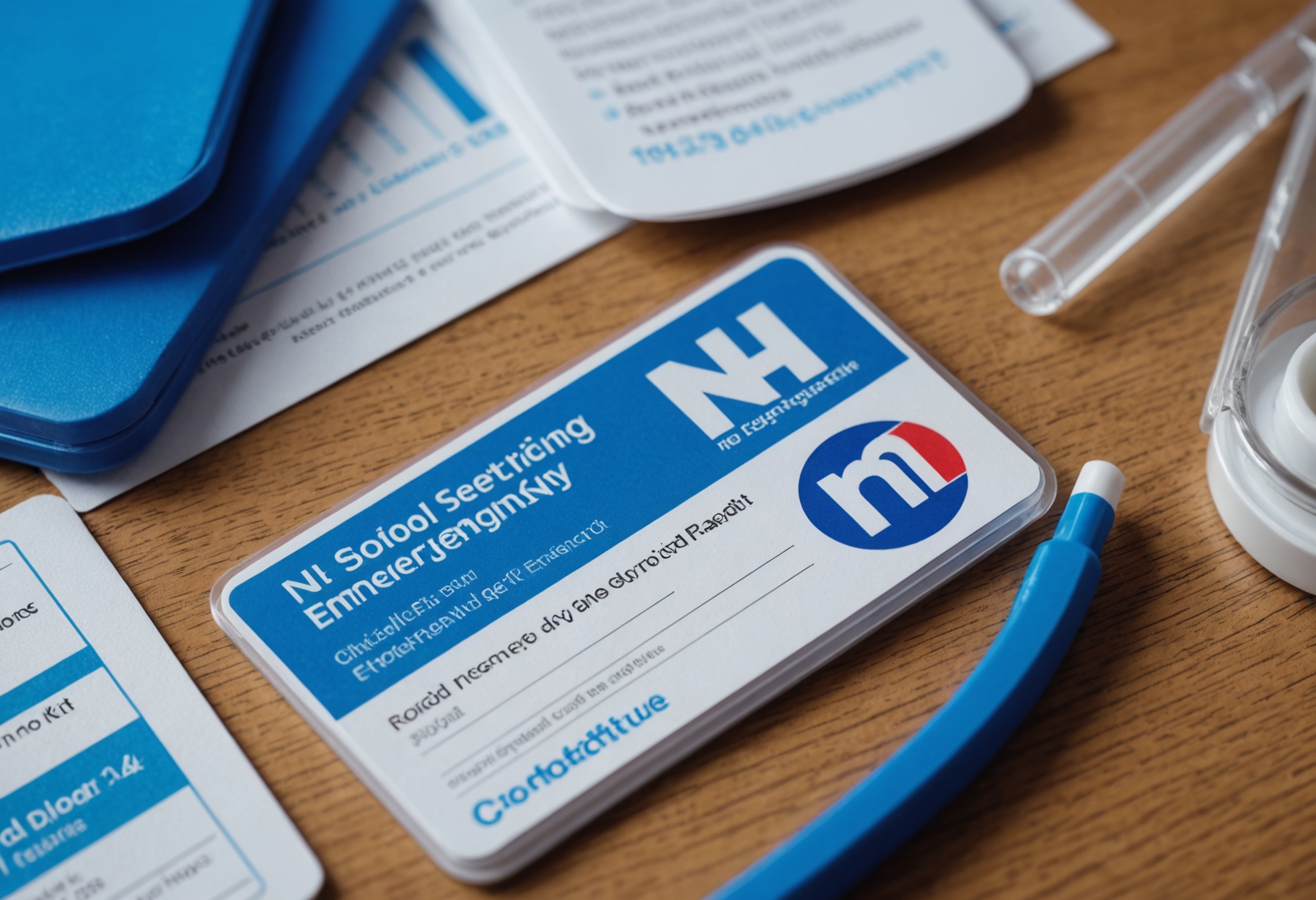
Sick day rules are critical and must be taught to all patients: double the dose of hydrocortisone during fever, illness, or significant physical stress; triple the dose for severe illness or major surgery. Patients who are vomiting and cannot take oral steroids require an emergency hydrocortisone injection (hydrocortisone 100 mg IM) — patients and their families/carers should be trained to administer this. Adrenal crisis: an acute, life-threatening emergency characterised by severe hypotension, vomiting, altered consciousness, and profound hyponatraemia/hyperkalaemia. Treatment: hydrocortisone 100 mg IM/IV STAT, 1L 0.9% NaCl IV over 1 hour, and immediate hospital admission. Every patient with Addison's should carry a steroid emergency card, a medical alert bracelet, and an emergency hydrocortisone injection kit. This content has been prepared following evaluation of NICE and Society for Endocrinology guidance.