Anal Fissure
Topical GTN, diltiazem, botulinum toxin and surgical management per NICE CKS
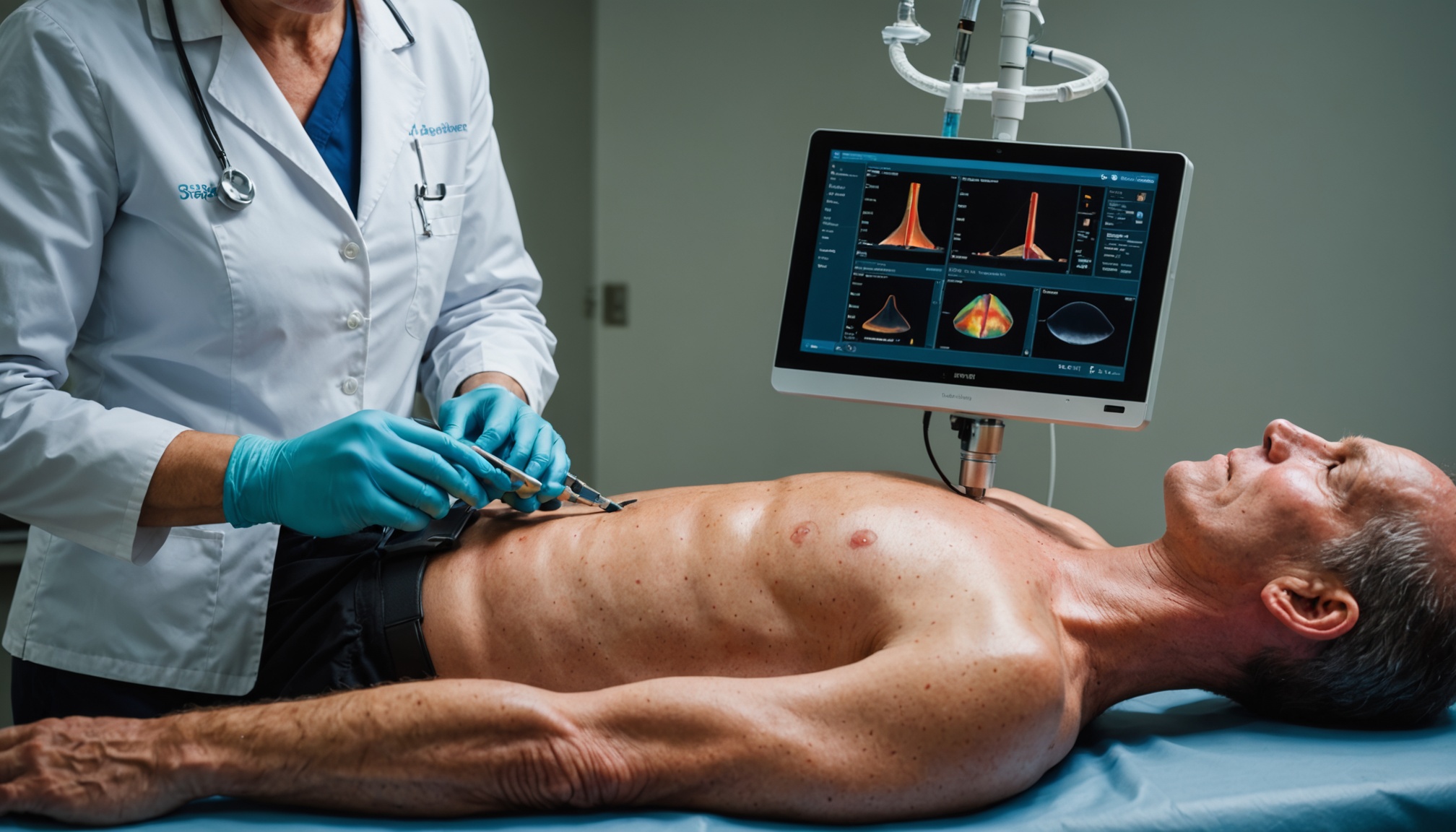
An anal fissure is a longitudinal tear in the squamous epithelium of the anal canal, almost always in the posterior midline. Acute fissures heal with conservative measures. Chronic fissures — defined as lasting over six weeks — develop sphincter hypertonia which impairs blood supply and healing, requiring pharmacological or surgical intervention to relax the internal sphincter.
Pathophysiology and Diagnosis
The primary mechanism of chronic anal fissure is internal anal sphincter (IAS) hypertonia, which reduces anodermal blood supply and prevents healing. A vicious cycle of pain, sphincter spasm, and constipation perpetuates the condition. Diagnosis is clinical — gentle inspection of the perianal area reveals a linear posterior midline tear, often with a sentinel pile and hypertrophied anal papilla in chronic cases. Digital rectal examination may be deferred if acutely painful. Lateral fissures are atypical and raise suspicion of Crohn's disease, anal cancer, STIs, or TB — these require specialist referral.
Conservative and Topical Medical Treatment
Conservative management includes high-fibre diet, adequate hydration, ispaghula husk to soften stool, and warm sitz baths. Topical lidocaine 5% ointment before defecation reduces acute pain. For chronic fissure, first-line pharmacological treatment is glyceryl trinitrate (GTN) 0.4% rectal ointment (Rectogesic) — applied twice daily for 6–8 weeks, it donates nitric oxide which relaxes the IAS and improves anodermal blood flow. The most common side effect is headache. Topical diltiazem 2% ointment twice daily has similar efficacy with fewer headaches and is often preferred if GTN is not tolerated — it is an unlicensed preparation in the UK.
Botulinum Toxin and Surgery
Botulinum toxin type A (20–30 units) injected into the IAS achieves healing in 70–90% of cases where topical treatment has failed. It temporarily paralyses the sphincter, allowing healing without permanent sphincter damage. For fissures refractory to all medical treatment, lateral internal sphincterotomy (surgical division of a portion of the IAS) is the most effective procedure with a healing rate of approximately 95%, though there is a small risk of incontinence (around 3%). Fissurectomy with or without an advancement flap is an alternative in patients where sphincterotomy is contraindicated.