Atrial Fibrillation (AF)
Understanding an irregular heartbeat and the importance of stroke prevention
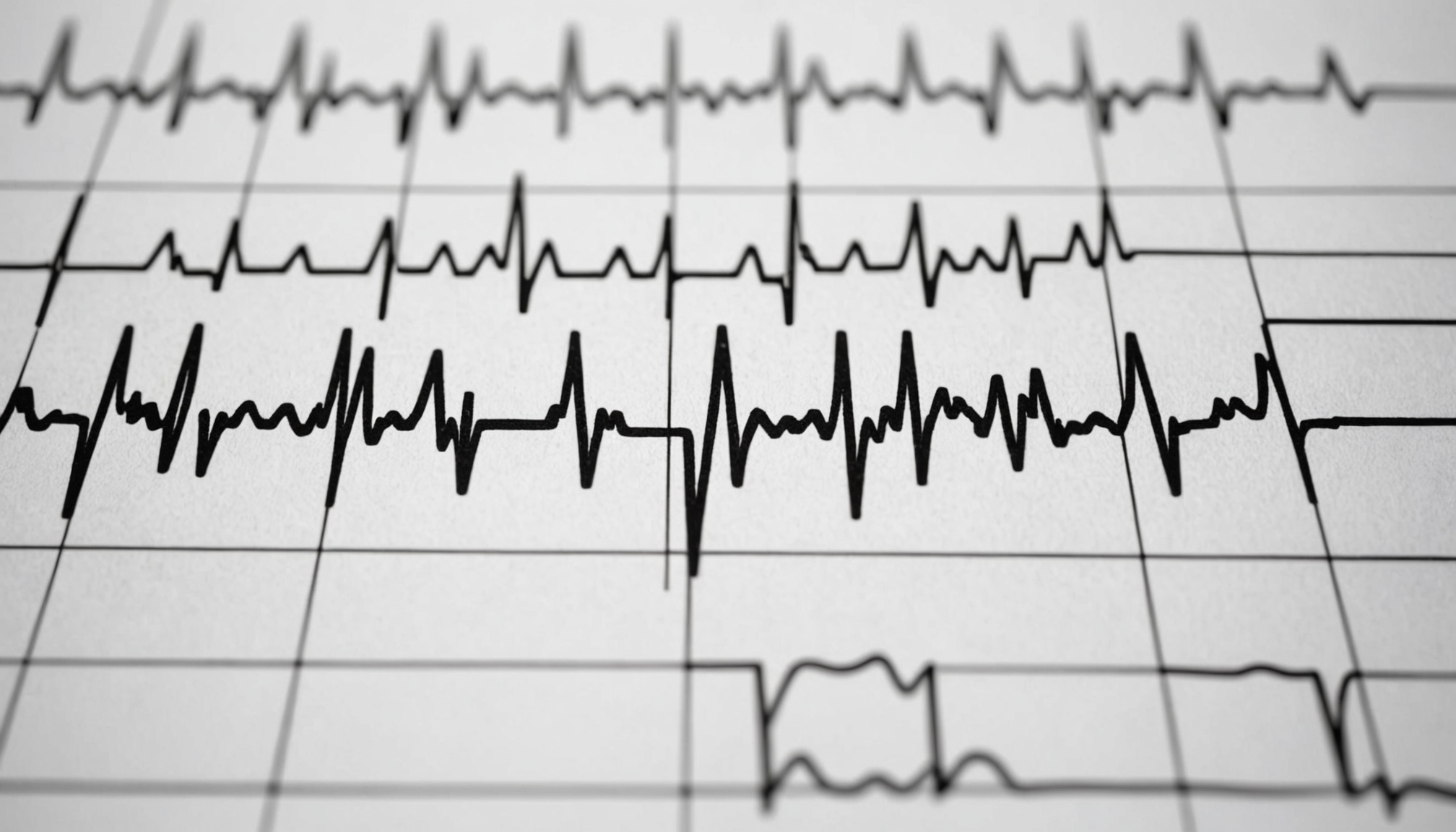
Atrial fibrillation, commonly known as AF, is the most common heart rhythm disorder in the UK, affecting around 1.4 million people. It causes the heart to beat irregularly and sometimes very fast, and significantly increases the risk of stroke if not properly treated.
What is atrial fibrillation?
In AF, the two upper chambers of the heart (the atria) beat chaotically and out of coordination with the two lower chambers (the ventricles). This causes an irregular and often rapid heartbeat. Blood may not be pumped out of the atria completely, which can cause it to pool and clot — and if a clot travels to the brain, it can cause a stroke.
Causes and risk factors
AF becomes more common with age and affects around 10% of people over 75. Risk factors include high blood pressure, heart disease, diabetes, obesity, excessive alcohol consumption, an overactive thyroid gland, and chronic lung conditions. Sometimes AF occurs in people with no apparent underlying cause.
Symptoms of AF
Some people with AF have no symptoms at all and the condition is only discovered during a routine check-up or ECG. Others may notice heart palpitations (a fluttering or racing sensation in the chest), breathlessness, dizziness, fatigue, and reduced ability to exercise. Symptoms can come and go (paroxysmal AF) or be persistent.
How is AF treated?
Treatment has two main goals: reducing the risk of stroke and controlling the heart rate or rhythm. Most people with AF are prescribed anticoagulant medication (blood thinners) to prevent clots and reduce stroke risk. Rate control medications are used to keep the heart rate at a manageable level. In some cases, medications or procedures to restore a normal heart rhythm may be recommended. The decision depends on symptoms, age and overall health.
Living with AF and preventing stroke
Living with AF requires ongoing commitment to taking medications as prescribed — particularly anticoagulants, which should never be stopped without medical advice as this dramatically increases stroke risk. Reducing alcohol intake, maintaining a healthy weight and managing blood pressure are all important. Regular follow-up allows treatment to be adjusted as needed. All information in this article has been prepared following careful evaluation of current cardiology and national clinical guidelines. The AF Association provides further support and information for people living with atrial fibrillation.