Back Pain
Low back pain — causes, red flags and self-management
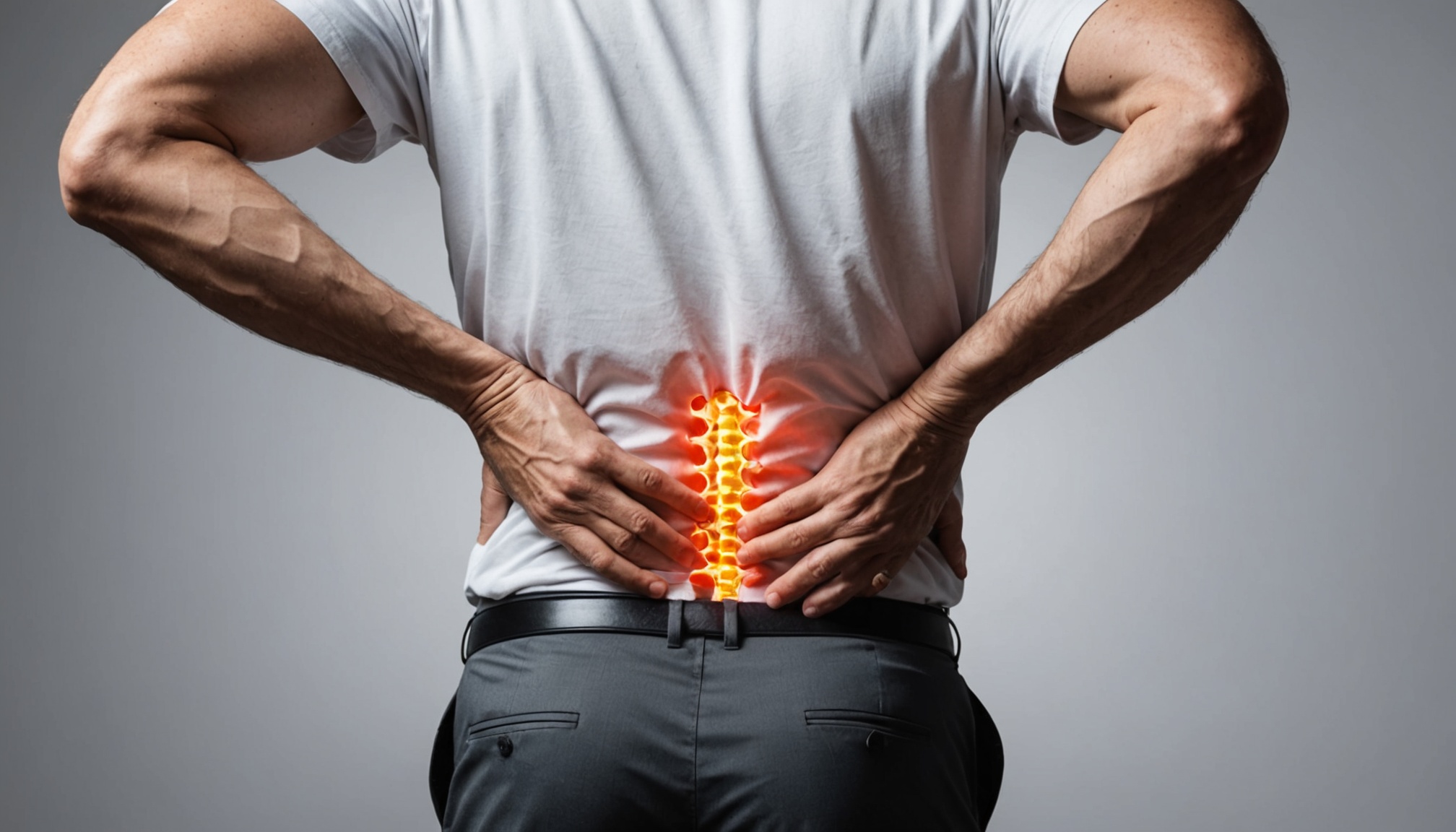
Low back pain is one of the most common reasons for GP consultations and work absence in the UK. The vast majority of cases are non-specific — meaning no serious underlying cause is found — and most episodes resolve within six to eight weeks with appropriate self-management. Understanding the condition and staying active are the most important steps to recovery.
What is Back Pain?
Low back pain refers to pain felt in the region between the lower rib cage and the buttocks, with or without radiation into the legs (sciatica). The spine is a complex structure of vertebrae, discs, muscles, ligaments and nerves, and pain can arise from any of these structures. In the majority of cases, no specific anatomical cause is identified on imaging — this is called non-specific low back pain. Disc herniation with nerve root compression, facet joint pain, sacroiliac joint dysfunction and muscle strain are common underlying mechanisms. Psychosocial factors (the so-called 'yellow flags') — including anxiety, depression, catastrophising and workplace stress — are powerful predictors of chronicity and are as important to address as physical factors.
Causes & Risk Factors
Non-specific low back pain is multifactorial. Risk factors include sedentary lifestyle, poor core strength, occupational factors (heavy lifting, prolonged sitting or standing), obesity, smoking, psychological distress and previous episodes of back pain. Sciatica occurs when a herniated disc or bony spur compresses a spinal nerve root, causing pain, numbness or tingling that radiates down the leg below the knee, typically in a dermatomal pattern. Spinal stenosis — narrowing of the spinal canal — can cause neurogenic claudication (leg pain brought on by walking and relieved by bending forward or sitting).
Red Flags
Most back pain is benign, but certain features require urgent evaluation to exclude serious pathology. Red flags include pain that is constant, worsening and unrelated to posture or movement; thoracic pain; a history of cancer, unexplained weight loss, fever or night sweats; age of onset under 20 or over 55 with no previous history; major trauma; prolonged steroid use; and suspected serious spinal pathology such as fracture, malignancy or infection. Cauda equina syndrome is a neurosurgical emergency: bilateral leg weakness, saddle anaesthesia (numbness around the genitals and inner thighs), and loss of bladder or bowel control require immediate transfer to A&E. An evaluation for these red flags should be performed at every consultation for back pain.
Self-management & When to Seek Help
The single most important message in back pain management is: stay active. Bed rest is harmful and delays recovery. Continue normal activities as much as pain allows — walking, gentle stretching, and staying at work when possible all improve outcomes. Exercise therapy tailored by a physiotherapist is recommended for persistent back pain. Heat packs, over-the-counter anti-inflammatories (taken with food) and paracetamol may provide short-term relief. For chronic back pain, cognitive behavioural therapy (CBT) addresses the psychosocial factors that drive chronicity. See your GP urgently if you develop any red flag symptoms as described above, if pain is worsening or not improving after six weeks, if you develop neurological symptoms such as leg weakness or bladder changes, or if pain is significantly affecting your daily life and work.