Understanding Your Test Results
A plain-English guide to blood tests, scans and clinical investigations
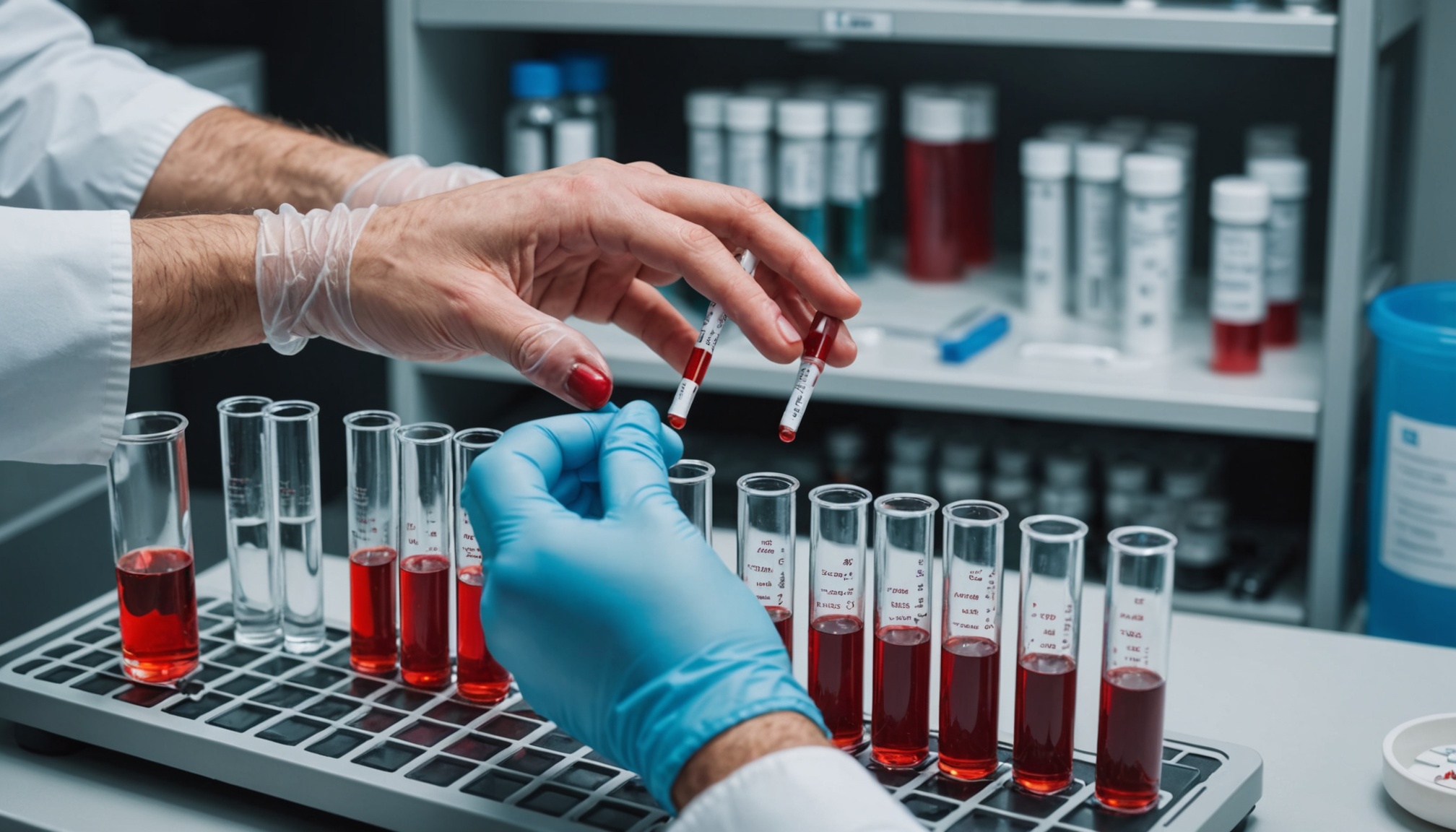
Blood tests and other investigations are a fundamental part of modern medicine. They help doctors and pharmacists understand what is happening inside your body, diagnose conditions, monitor how well treatments are working, and detect potential problems before they become serious. Understanding what your results mean can help you take a more active role in your own health care.
Blood count (FBC)
The full blood count measures the cells in your blood. Haemoglobin (Hb) tells us whether you are anaemic — low haemoglobin means your blood is carrying less oxygen than it should. The size of your red blood cells (MCV) can help identify the type of anaemia — small red cells often indicate iron deficiency, while large red cells may suggest a vitamin B12 or folate deficiency. White blood cells fight infection, and an elevated count can indicate infection or inflammation. Platelets are involved in blood clotting.
Kidney function tests (U&E)
Kidney function tests measure substances filtered by the kidneys. Creatinine and urea are waste products — if the kidneys are not working well, these build up in the blood. The eGFR (estimated glomerular filtration rate) is a calculated measure of kidney function — a normal eGFR is above 60. Potassium (K+) and sodium (Na+) levels are electrolytes that must stay within tight ranges — imbalances can be caused by kidney disease, medications (particularly diuretics and ACE inhibitors) or other conditions.
Liver function tests (LFTs)
Liver tests look at enzymes and proteins in the blood. ALT and AST are enzymes that leak into the blood when liver cells are damaged — raised levels can indicate hepatitis, fatty liver disease, or damage from alcohol or medications. ALP and GGT are enzymes associated with the bile ducts — raised levels may suggest blockage or bile duct disease. Albumin reflects the liver's ability to make proteins — low albumin can indicate chronic liver disease or malnutrition. Bilirubin is a breakdown product of red blood cells — high levels cause jaundice.
Cholesterol and cardiovascular risk
A fasting lipid profile measures total cholesterol, LDL (low-density lipoprotein — the harmful kind), HDL (high-density lipoprotein — the protective kind) and triglycerides. It is not total cholesterol alone that matters most, but the balance between LDL and HDL — and your overall cardiovascular risk. Your GP uses tools like QRISK3 to calculate your ten-year risk of a heart attack or stroke and decide whether treatment is needed.
Making sense of abnormal results
An abnormal result does not automatically mean something is seriously wrong — results can be affected by many factors including exercise, food and drink, time of day, and the laboratory method used. Always discuss your results with your GP or pharmacist, who can put them into context. If your results are monitored regularly as part of long-term medication management — for example warfarin, methotrexate or lithium — it is essential not to miss these checks. This article has been reviewed following careful evaluation against current clinical and laboratory medicine guidance.