Chronic Obstructive Pulmonary Disease (COPD)
Understanding a progressive lung condition and how to live well with it
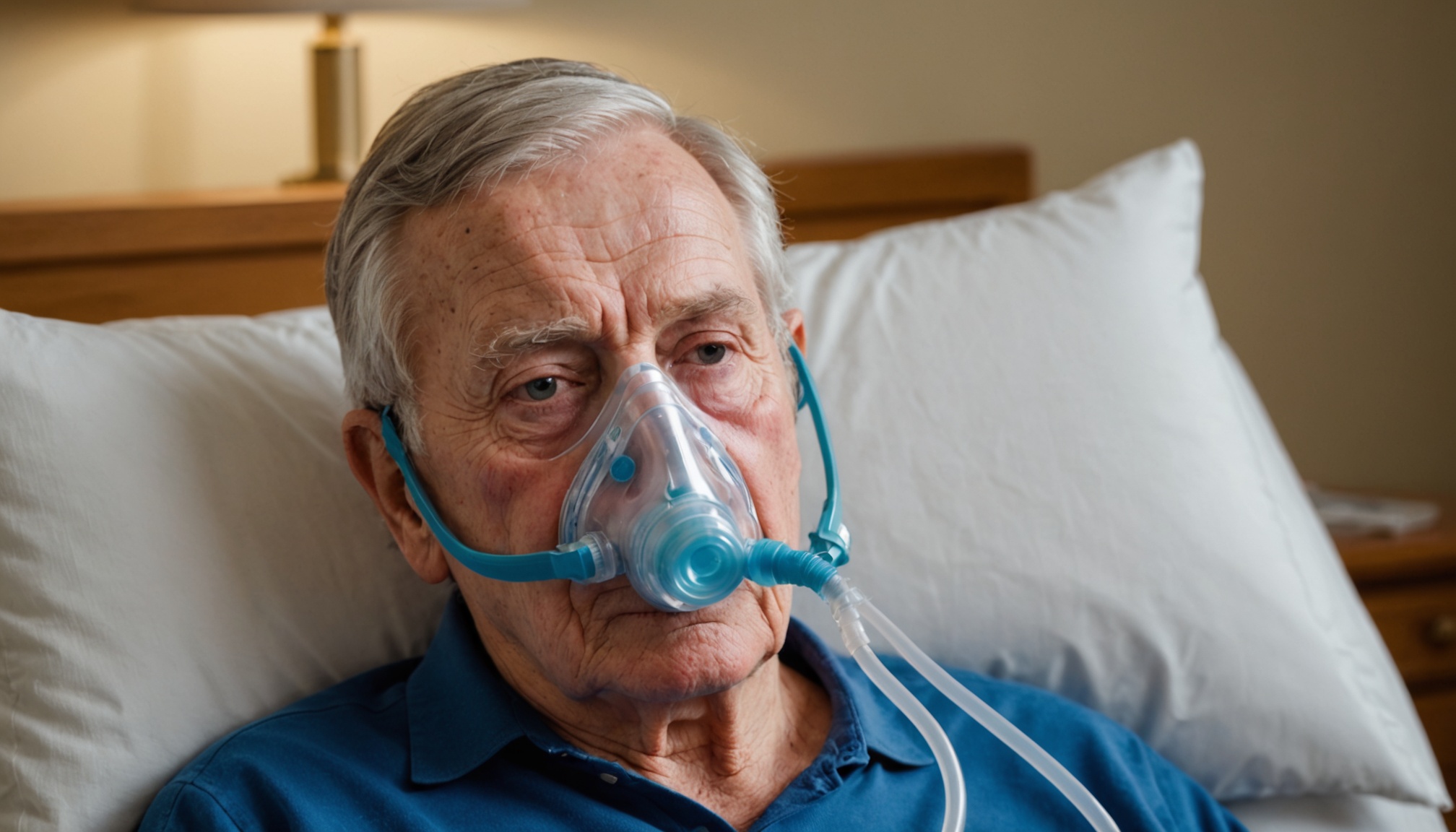
COPD is a term used to describe a group of lung conditions, including chronic bronchitis and emphysema, that cause breathing difficulties. It is one of the most common respiratory diseases in the UK, affecting around 1.2 million people — though many more remain undiagnosed.
What is COPD?
COPD causes the airways to become inflamed and narrowed, and damages the tiny air sacs in the lungs, reducing the amount of oxygen that can enter the bloodstream. Unlike asthma, the airflow obstruction in COPD is not fully reversible. The condition usually gets gradually worse over time, though the rate of progression varies considerably between individuals.
What causes COPD?
Smoking is by far the most common cause of COPD — it accounts for around 90% of all cases. Long-term exposure to occupational dusts, chemicals and fumes can also cause the condition, as can air pollution. In rare cases, a genetic condition called alpha-1 antitrypsin deficiency can lead to COPD, even in non-smokers. COPD is rarely diagnosed in people under the age of 40.
Symptoms and diagnosis
The main symptoms of COPD are increasing breathlessness — especially when active — a persistent chesty cough, frequent chest infections, and persistent wheezing. Many people dismiss early symptoms as a 'smoker's cough' and delay seeking help. Diagnosis is confirmed with a simple breathing test called spirometry, which measures how much air you can breathe in and out and how fast.
Treatment options
While COPD cannot be cured, treatment can help control symptoms, slow progression and improve quality of life. The single most effective thing a smoker with COPD can do is stop smoking — this slows the decline in lung function significantly. Inhalers are the mainstay of treatment, helping to open up the airways. Pulmonary rehabilitation — a programme of exercise and education — is also highly effective and recommended for most people with COPD. Vaccinations against flu and pneumonia are important to prevent chest infections.
Managing flare-ups and staying well
Flare-ups, or exacerbations, are periods when symptoms suddenly get worse, often triggered by a chest infection. Having a written action plan from your healthcare team, knowing when to start rescue medications, and knowing when to seek urgent help are all important. Regular reviews with your GP or nurse, checking inhaler technique at every appointment, and attending pulmonary rehabilitation all contribute to better outcomes. This article has undergone careful evaluation for accuracy against current respiratory guidelines. Asthma + Lung UK provides further support for people with COPD.