COVID-19
Coronavirus Disease 2019 — clinical management and treatment
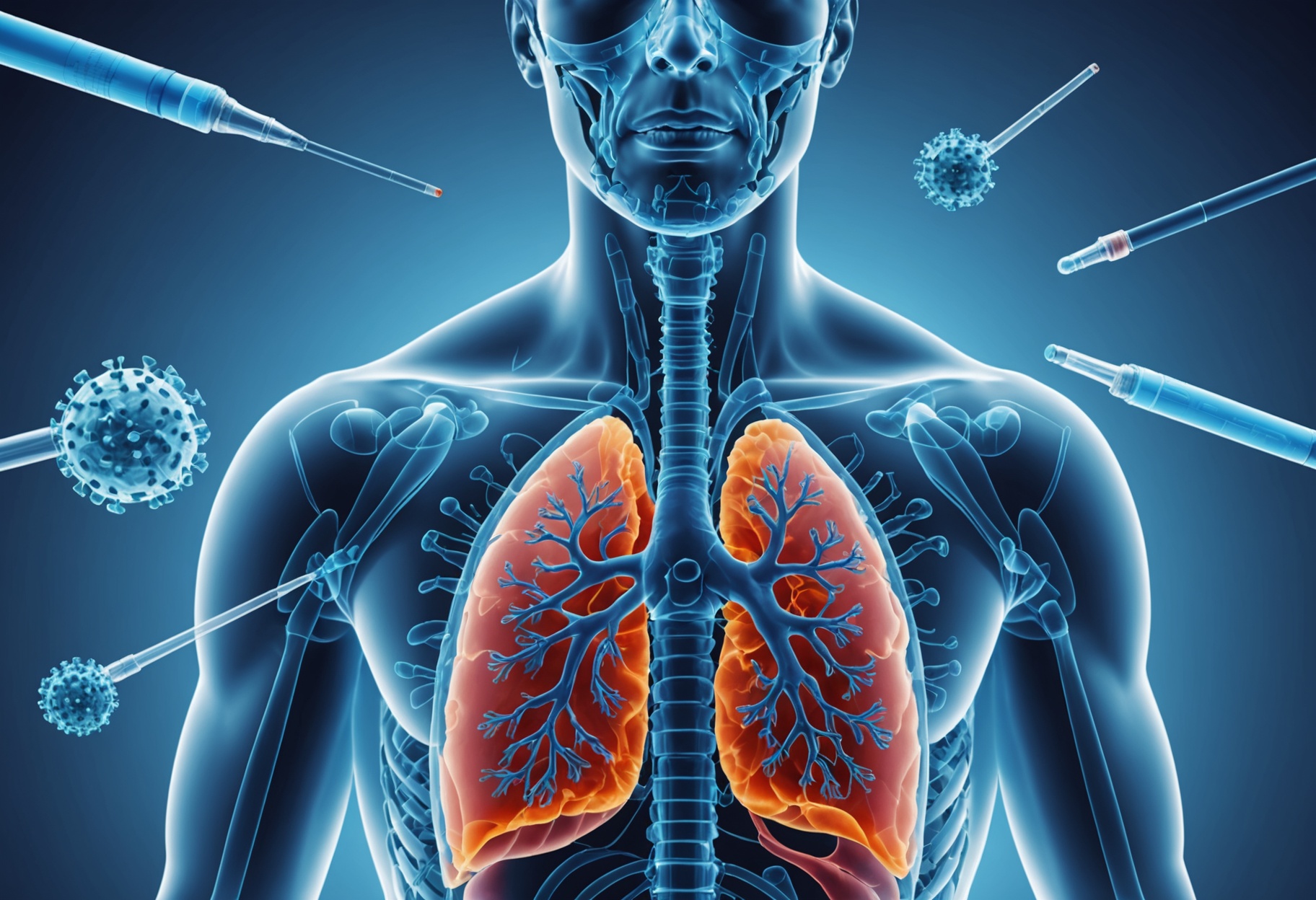
COVID-19 is an infectious respiratory illness caused by the SARS-CoV-2 coronavirus. First identified in late 2019, it became a global pandemic and continues to circulate as an endemic respiratory virus. While most people recover at home, certain individuals — particularly the elderly, immunocompromised, and those with significant comorbidities — remain at risk of severe disease. Effective treatments and vaccines are now available, and clinical management has been refined through major trials including RECOVERY, PANORAMIC and ACTT-1.
What is COVID-19?
COVID-19 is caused by SARS-CoV-2, a novel betacoronavirus that primarily infects the respiratory tract. The virus binds to ACE2 receptors on the surface of respiratory epithelial cells. Since the original Wuhan strain, several variants of concern have emerged — including Alpha, Delta, and Omicron — with Omicron and its subvariants now dominating globally. These variants are associated with higher transmissibility but generally lower rates of severe disease in vaccinated populations. Transmission occurs predominantly via respiratory droplets and aerosols, especially in poorly ventilated indoor settings. The incubation period is typically 2–5 days (range 1–14 days). Infectious period extends from 2 days before to approximately 10 days after symptom onset in most cases.
Symptoms
COVID-19 presents with a wide spectrum of symptoms. The most common include fever (temperature ≥37.8°C), new persistent cough (which may be dry), breathlessness or shortness of breath, fatigue and myalgia, loss or change of taste (ageusia) or smell (anosmia), sore throat, rhinorrhoea, headache, and gastrointestinal symptoms (nausea, diarrhoea). In severe disease, symptoms progress to significant breathlessness, hypoxia, and signs of systemic inflammation. Some individuals — particularly children and vaccinated adults — experience mild illness resembling a common cold. Others, especially older or immunocompromised patients, may deteriorate rapidly. Notably, loss of taste and smell — hallmark symptoms of earlier variants — are less common with Omicron.
Diagnosis
Diagnosis is primarily clinical, supported by testing. Lateral flow tests (LFTs) provide rapid results within 30 minutes and are suitable for symptomatic and community testing. PCR (polymerase chain reaction) testing remains the gold standard, with higher sensitivity and specificity, and is used for hospitalised patients and high-risk settings. Chest X-ray (CXR) in moderate-to-severe disease typically shows bilateral peripheral and basal infiltrates. CT thorax demonstrates characteristic ground glass opacities (GGOs) — areas of hazy increased lung density — often bilateral and peripheral, sometimes with consolidation in severe pneumonitis. Inflammatory markers including CRP, ferritin, D-dimer, FBC (lymphopaenia is characteristic), LFTs, LDH and troponin are important in hospitalised patients to assess severity and guide treatment escalation.
Risk Stratification
Not all patients with COVID-19 require the same level of intervention. Stratification guides treatment decisions. Low risk: healthy adults and children under 50 with no significant comorbidities, vaccinated. Expected mild self-limiting illness. Advise symptomatic management and isolation. Moderate risk: age 50–70, or with comorbidities such as controlled diabetes, mild COPD, or cardiovascular disease. Close monitoring, consider antiviral treatment if eligible. High risk: age ≥70; immunocompromised (solid organ transplant, haematological malignancy, bone marrow transplant, HIV with low CD4, on immunosuppressive therapy ≥10 mg prednisolone/day or equivalent, CAR-T therapy); severe obesity (BMI ≥35); chronic kidney disease (eGFR <30); Down's syndrome; rare immune conditions. These patients are prioritised for antiviral treatment under NHS COVID therapeutics — contact COVID Medicines Delivery Units (CMDUs) promptly.
Treatment — Mild to Moderate Disease
Most patients with mild-to-moderate COVID-19 recover with supportive care at home. Recommended measures include rest and adequate hydration (aim for 8+ glasses of water per day), paracetamol 1g up to four times daily for fever and pain relief, and isolation to reduce onward transmission (follow current UK Health Security Agency guidance — typically 5 days from symptom onset or until LFT negative). NSAIDs such as ibuprofen may be used if paracetamol is insufficient and there are no contraindications, though patients with pre-existing kidney disease or heart failure should avoid them. There is no strong evidence for routine use of antihistamines, zinc, or Vitamin D in treating acute COVID-19, although Vitamin D supplementation is reasonable in those deficient. Patients should be safety-netted: informed of red flag symptoms requiring urgent review or 999.
Treatment — High Risk Patients and Antivirals
Antiviral and immunomodulatory therapies are available for high-risk patients and must be initiated promptly — most require treatment within 5 days of symptom onset. Nirmatrelvir/ritonavir (Paxlovid) is the preferred oral antiviral for eligible high-risk patients. Dose: nirmatrelvir 300mg + ritonavir 100mg twice daily for 5 days, started within 5 days of symptom onset. It significantly reduces risk of hospitalisation and death (EPIC-HR trial — 89% reduction). Important drug interactions exist due to ritonavir CYP3A4 inhibition — check interactions with statins, anticoagulants, CNS drugs before prescribing. Contraindicated in severe renal (eGFR <30) or hepatic impairment. Remdesivir (Veklury) is an intravenous RNA polymerase inhibitor. Dose: 200mg IV on day 1, then 100mg OD IV for 4 days. Used in hospitalised patients not requiring high-flow oxygen, or in selected high-risk community patients (via CMDU). Molnupiravir (Lagevrio) is an oral antiviral used when nirmatrelvir/ritonavir is unsuitable. Dose: 800mg twice daily for 5 days, within 5 days of symptom onset. Evidence from the PANORAMIC trial showed benefit mainly in unvaccinated or higher-risk populations. Not licensed in pregnancy. Sotrovimab (monoclonal antibody) is no longer routinely recommended due to reduced activity against current variants.
Management of Hospitalised Patients
Hospitalised patients with COVID-19 requiring supplemental oxygen benefit from specific treatments supported by the RECOVERY trial. Dexamethasone 6mg once daily for up to 10 days (oral or IV) reduces mortality in patients requiring oxygen or mechanical ventilation. It should NOT be given to patients not requiring oxygen (may cause harm per RECOVERY data). Tocilizumab (IL-6 receptor antagonist) 8mg/kg IV (maximum 800mg) is recommended for patients with rapidly increasing oxygen requirements or signs of systemic inflammation (CRP ≥75 mg/L), in conjunction with dexamethasone. Evidence from RECOVERY and REMAP-CAP trials. Baricitinib (JAK inhibitor) 4mg OD for up to 14 days is an alternative immunomodulator where tocilizumab is unavailable or contraindicated. Anticoagulation: all hospitalised COVID-19 patients should receive LMWH prophylaxis (e.g. enoxaparin, weight-based dosing) to reduce VTE risk, unless contraindicated. Full therapeutic anticoagulation is reserved for confirmed VTE.
Oxygen Therapy Targets
Oxygen therapy is a cornerstone of managing moderate-to-severe COVID-19. Target oxygen saturation (SpO2) in most adults: 92–96%. For patients with COPD or at risk of hypercapnic respiratory failure: target SpO2 88–92% to avoid suppression of hypoxic ventilatory drive. Supplemental oxygen should be titrated to achieve target saturations — avoid unnecessary hyperoxia. High-flow nasal cannula (HFNC) oxygen, CPAP, or non-invasive ventilation (NIV) may be required in progressive respiratory failure. Proning (awake prone positioning) in conscious non-intubated patients with SpO2 <94% on supplemental oxygen can significantly improve oxygenation. Patients who deteriorate despite maximal ward-based oxygen therapy should be reviewed urgently for escalation to ICU and consideration of invasive mechanical ventilation.
Vaccination
Vaccination remains the most effective tool for preventing severe COVID-19, hospitalisation and death. The primary course consists of two doses of an mRNA vaccine (Pfizer-BioNTech or Moderna) or a viral vector vaccine (AstraZeneca). Boosters provide important additional protection, particularly against severe disease. Current UK guidance (JCVI): annual autumn boosters are offered to those at highest risk — adults aged ≥65 years, immunocompromised individuals, care home residents, pregnant women, and healthcare workers. The updated bivalent mRNA vaccines target both the ancestral strain and current circulating variants. Immunocompromised individuals may require additional primary doses and should be counselled that vaccine responses may be reduced. Vaccination does not guarantee against infection but dramatically reduces severity. Advise all eligible patients to keep their vaccinations up to date and to check NHS guidance each autumn.
Long COVID
Long COVID (post-COVID syndrome) is defined as symptoms lasting more than 12 weeks after acute COVID-19 infection, not explained by an alternative diagnosis. It affects an estimated 2 million people in the UK. Common symptoms include persistent fatigue (the most prevalent), post-exertional malaise (worsening after activity), cognitive impairment ('brain fog'), breathlessness, palpitations, chest pain, anxiety, depression, sleep disturbance, and ongoing loss of taste or smell. Management is largely symptomatic and multidisciplinary. NICE NG188 (Long COVID) recommends referral to a specialist Long COVID clinic for assessment and management. Patients should be advised to pace activities carefully — graded exercise therapy is not recommended for those with post-exertional malaise. Spirometry and chest imaging may be required to exclude ongoing pulmonary fibrosis in those with persistent breathlessness. Psychological support, sleep management, and cognitive rehabilitation are important components of care.
Red Flags — When to Seek Urgent Help
Patients should be advised to call 999 or attend A&E immediately if they experience: oxygen saturation (SpO2) below 92% on pulse oximetry, severe breathlessness or inability to complete a sentence, rapid respiratory rate (>30 breaths per minute), central cyanosis (blue lips or tongue), confusion or altered mental status, chest pain, collapse or loss of consciousness, signs of shock (cold peripheries, rapid weak pulse, pallor). Additional warning signs requiring same-day urgent GP review: SpO2 90–92% or trending downward, fever >38.5°C persisting beyond day 7, significantly worsening symptoms after initial improvement, new rash or signs of multisystem inflammation. Always provide patients with a safety-net plan and advise them how to monitor their oxygen saturations at home if pulse oximetry is available. The NHS 111 online and telephone service is available 24 hours for guidance.