Eczema (Atopic Dermatitis)
Understanding eczema — triggers, skin care and flare management
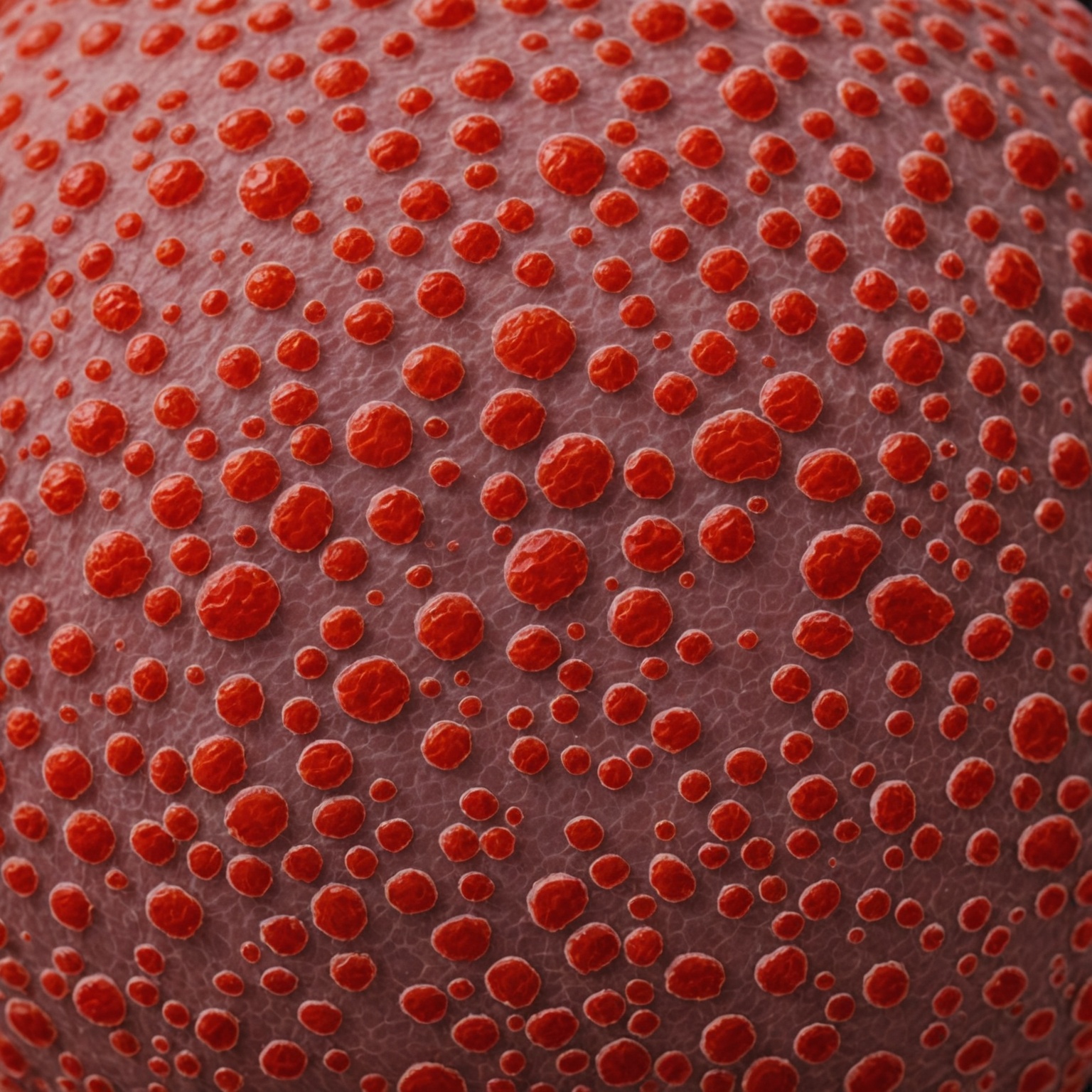
Eczema, also known as atopic dermatitis, is one of the most common inflammatory skin conditions in the UK, affecting up to 1 in 5 children and 1 in 10 adults at some point in their lives. It is a long-term condition that causes the skin to become itchy, dry, cracked and sore, and often follows a pattern of flares and remissions.
What is Eczema?
Eczema is a chronic inflammatory skin condition characterised by a defective skin barrier. In people with eczema, the skin is unable to retain moisture effectively, making it dry, sensitive and prone to irritation. The condition is not contagious — you cannot catch eczema from another person. It is part of the 'atopic triad', often co-existing with asthma and hay fever. Eczema can affect any area of the body but is most commonly found in skin folds such as the inner elbows, behind the knees, around the neck, and on the hands and face.
Causes & Triggers
Eczema has no single cause but is the result of a complex interplay between genetic and environmental factors. People with eczema often have mutations in the gene encoding filaggrin, a key protein in maintaining the skin barrier. Common triggers that can cause flares include: soaps, detergents and bubble baths; synthetic fabrics; dust mites and pet dander; pollen and mould; extreme temperatures and sweating; stress and anxiety; certain foods (particularly in young children); and skin infections, especially Staphylococcus aureus. Identifying and avoiding personal triggers is an important part of managing the condition.
Signs & Diagnosis
Eczema is diagnosed clinically based on characteristic symptoms and appearance. The main features are intense itching (often worse at night), dry and sensitive skin, red or brownish-grey patches, small raised bumps that may weep fluid, thickened or cracked skin, and raw, swollen skin from scratching. In darker skin tones, eczema may appear as darker or lighter patches rather than the classic redness seen in lighter skin. There are no specific tests to diagnose eczema, although allergy testing or a skin swab may be arranged if infection or allergies are suspected.
Managing Flares & Skin Care
Effective management of eczema centres on a consistent skin care routine and prompt treatment of flares. Emollients are the cornerstone of treatment and should be applied liberally and frequently throughout the day. During a flare, regular evaluation of skin condition helps determine whether topical corticosteroids need to be stepped up in potency or whether a skin infection may be contributing. A written eczema action plan can help you recognise worsening symptoms early and know when to seek additional help. Keeping nails short, wearing cotton clothing, and using non-biological detergents can all help reduce irritation.