Electrolyte Imbalances
Sodium, potassium and calcium disorders — recognition and clinical management
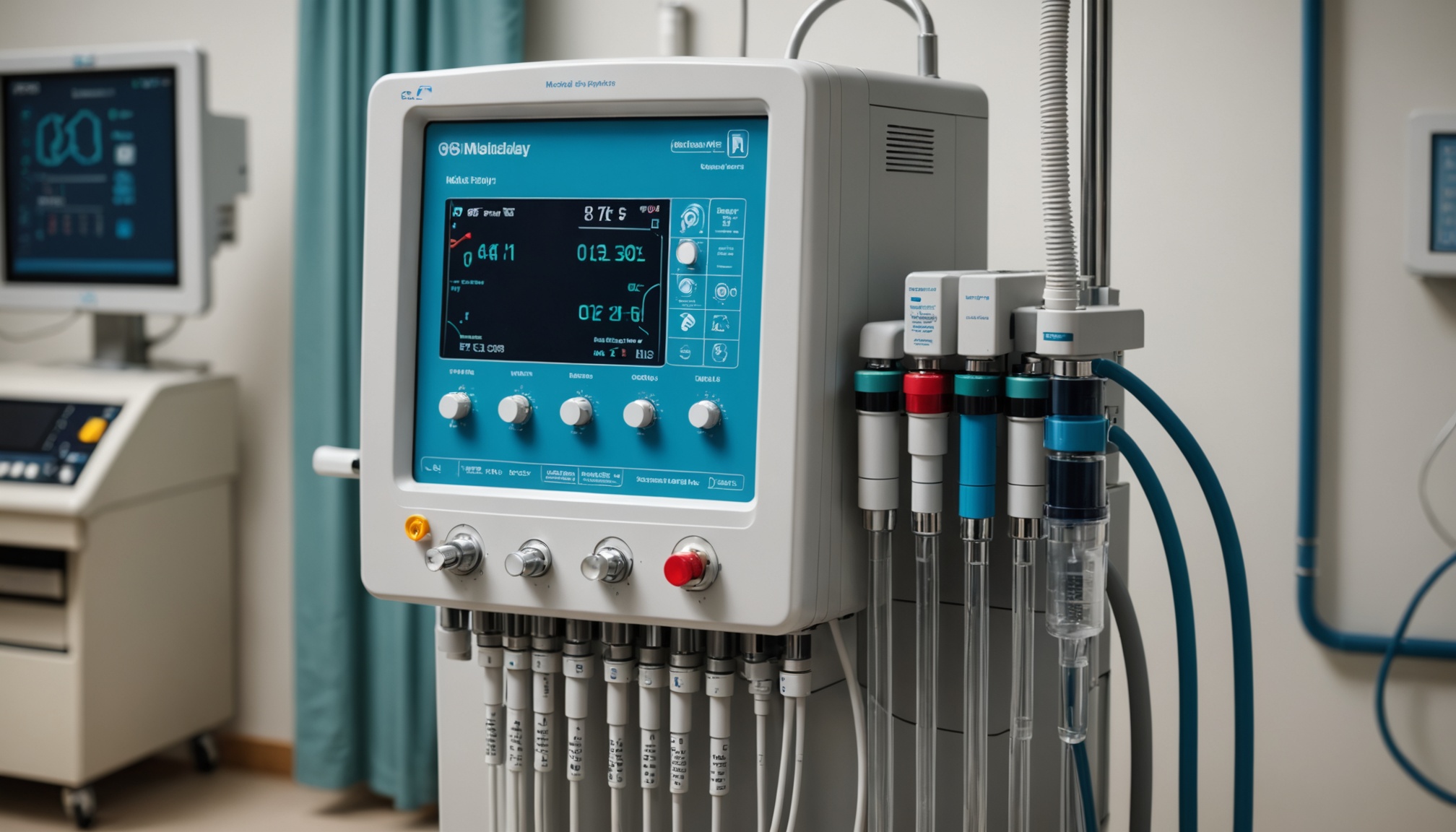
Electrolyte imbalances are common in hospital and community settings and can be life-threatening if unrecognised or poorly managed. Disturbances of sodium, potassium, calcium, and magnesium all have distinct clinical presentations and require targeted assessment and treatment.
What are Electrolytes?
Electrolytes are electrically charged minerals dissolved in blood and body fluids — primarily sodium, potassium, calcium, magnesium, phosphate, and chloride. They regulate fluid balance, nerve conduction, muscle contraction (including the heart), acid-base balance, and cellular function. The kidneys are the primary regulators of electrolyte balance, working alongside hormones such as aldosterone (regulates Na+/K+), parathyroid hormone (Ca2+), and ADH (water and Na+ balance). Even small deviations from the normal range can cause significant clinical effects, particularly on cardiac and neuromuscular function. Reference ranges: Na+ 135–145 mmol/L; K+ 3.5–5.0 mmol/L; Ca2+ 2.2–2.6 mmol/L (corrected); Mg2+ 0.7–1.0 mmol/L.
Common Electrolyte Disorders
Hyperkalaemia (K+ >5.5 mmol/L) is the most immediately dangerous — it causes peaked T waves, widened QRS, and can progress to ventricular fibrillation. Causes include AKI/CKD, ACEi/ARB, potassium-sparing diuretics, and acidosis. Hypokalaemia (K+ <3.5 mmol/L) causes muscle weakness, constipation, U waves on ECG, and predisposes to dangerous arrhythmias — particularly in patients on digoxin. Hyponatraemia (Na+ <135 mmol/L) is the most common electrolyte disturbance in hospitalised patients; causes include SIADH (SSRIs, carbamazepine, lung/CNS pathology), hypothyroidism, and Addison's disease. Hypernatraemia (Na+ >145 mmol/L) indicates water deficit — most common in elderly patients with reduced thirst or access to fluids. Hypocalcaemia causes tetany, Chvostek's sign, Trousseau's sign, QTc prolongation, and seizures.
Signs & Recognition
The clinical presentation of electrolyte disturbances spans neurological, cardiovascular, and musculoskeletal symptoms. Hyperkalaemia and hypokalaemia both affect cardiac conduction — an ECG is essential if either is suspected. Muscle weakness and cramps suggest hypokalaemia or hypocalcaemia. Confusion, headache, and seizures may indicate severe hyponatraemia. Paraesthesia, perioral tingling, and muscle spasms (Trousseau's sign — carpal spasm on inflation of blood pressure cuff) suggest hypocalcaemia. Palpitations and arrhythmias may indicate potassium or magnesium disturbance. Many electrolyte imbalances are asymptomatic and discovered incidentally on blood tests — this does not mean they are not clinically significant.
Causes & Risk Factors
A careful evaluation of medications, comorbidities, and clinical context is the cornerstone of diagnosing electrolyte imbalances. Diuretics are the single most common cause — loop diuretics (furosemide) cause hypokalaemia and hypomagnesaemia; thiazides cause hyponatraemia and hypokalaemia; potassium-sparing diuretics (spironolactone, amiloride) cause hyperkalaemia. ACE inhibitors and ARBs cause hyperkalaemia and may worsen hyponatraemia. Proton pump inhibitors (PPIs) cause hypomagnesaemia with long-term use. Laxative misuse causes hypokalaemia and hyponatraemia. Acute illness — particularly with vomiting, diarrhoea, or poor oral intake — precipitates multiple electrolyte disturbances. AKI and CKD impair renal electrolyte excretion. Endocrine causes include Addison's disease (hyponatraemia, hyperkalaemia) and hyperparathyroidism (hypercalcaemia).