Falls in Older Adults
Why falls happen, how to prevent them, and what to do after a fall
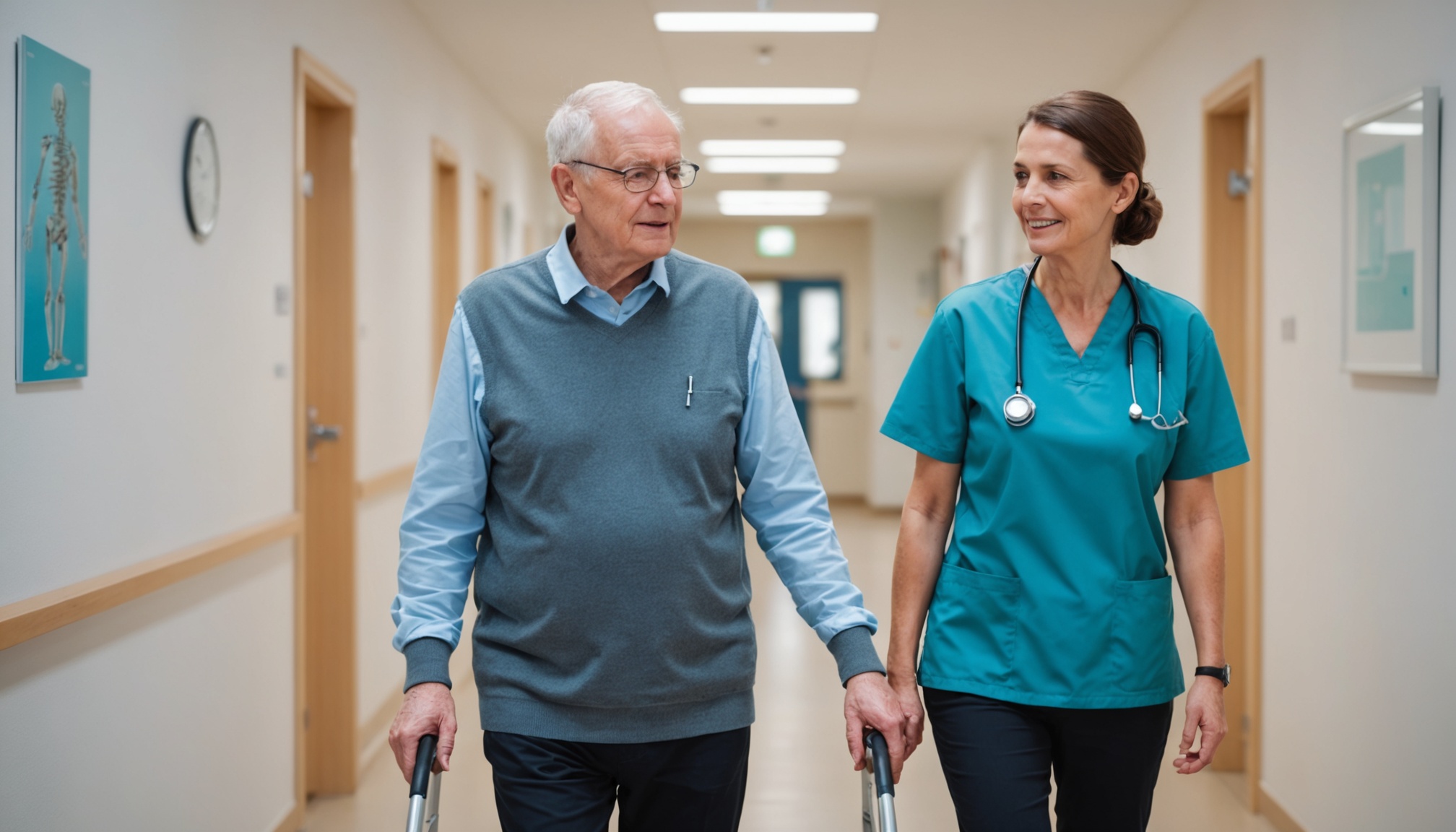
Falls are the leading cause of injury in people over 65 in the UK. Each year, around one in three older adults has a fall, and for many it can be the start of a decline in independence. However, falls are not an inevitable part of ageing — most are preventable with the right assessment and support.
Why do older people fall more often?
Ageing brings changes that can increase the risk of falling — reduced muscle strength and balance, slower reflexes, changes in vision, and a tendency for blood pressure to drop on standing (postural hypotension). Medical conditions such as Parkinson's disease, stroke, heart problems and dementia also increase fall risk. Importantly, many common medications — including sleeping tablets, water tablets, antidepressants and some blood pressure medications — can also significantly increase the likelihood of falling.
Common causes and hazards
Falls usually result from a combination of factors rather than a single cause. Environmental hazards — loose rugs, poor lighting, slippery floors, lack of handrails — play a significant role. Wearing unsuitable footwear such as backless slippers is a common but overlooked risk. Rushing to the toilet, particularly at night, is another frequent cause of falls. A full assessment by a healthcare professional can identify both medical and environmental risks.
How falls are assessed
Anyone who has had two or more falls in a year, or a single fall that caused injury, should be offered a multifactorial falls assessment by their GP, practice nurse or a specialist falls service. This includes a review of all medications (some may be contributing to falls and can be safely reduced or stopped), assessment of balance and gait, blood pressure measurements lying and standing, vision testing, and a home hazard assessment.
Prevention — what really works
The single most effective intervention for preventing falls is regular strength and balance exercise. Programmes such as the Otago Exercise Programme and Tai Chi have strong evidence behind them and are often available through local NHS falls prevention services. Vitamin D supplementation helps maintain muscle and bone strength. Having regular eye tests, wearing appropriate footwear, and making simple home modifications (such as fitting grab rails in the bathroom) are also proven to reduce falls.
After a fall — getting back on your feet
After a fall, it is important to get a medical review — even if no injury occurred — to understand why it happened and reduce the risk of it happening again. Fear of falling is itself a risk factor: it leads to reduced activity, loss of confidence and muscle weakness, which paradoxically increases fall risk. Reassurance, rehabilitation and practical support from a physiotherapist or occupational therapist can make a significant difference. This content has been prepared following careful evaluation of current falls prevention guidelines.