Gestational Hypertension
New hypertension in pregnancy: safe blood pressure control and escalation triggers
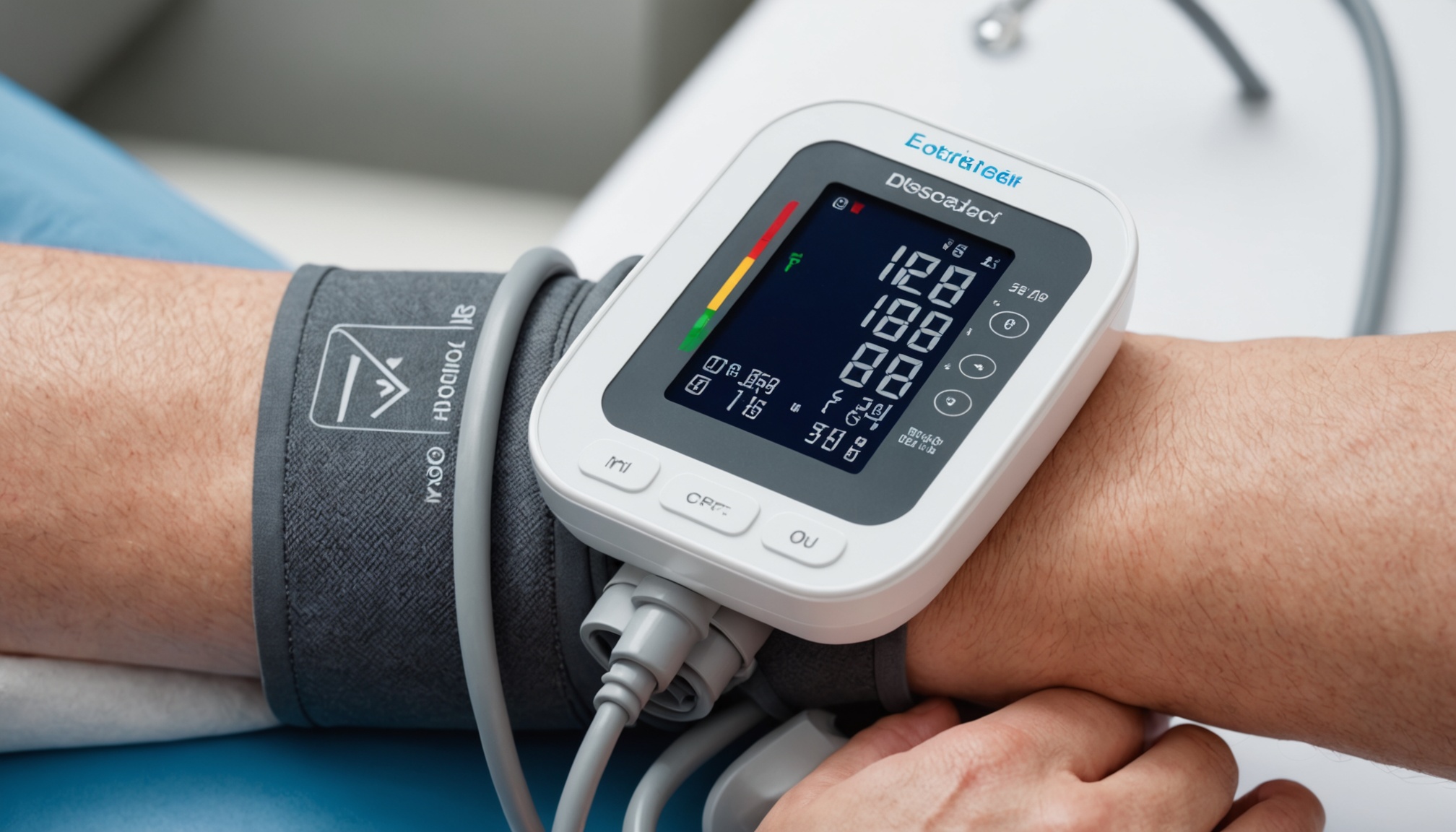
Gestational hypertension is high blood pressure that develops after 20 weeks of pregnancy. The key aim is to protect mother and baby by controlling blood pressure safely, monitoring for progression to pre-eclampsia, and escalating quickly when red flags appear.
What it is and why it matters
Gestational hypertension is diagnosed when blood pressure rises to 140/90 mmHg or above after 20 weeks of pregnancy without significant proteinuria or maternal organ dysfunction. It is clinically important because it can progress to pre-eclampsia, placental insufficiency, fetal growth restriction, preterm birth, and maternal complications if not monitored closely. This section is designed for evaluation-based study and practical decision-making in line with current NICE and BNF-aligned care.
Treatment approach
NICE guidance supports treating hypertension in pregnancy to a target of around 135/85 mmHg. Labetalol is usually first-line, with modified-release nifedipine or methyldopa as alternatives if needed. Severe hypertension (sustained 160/110 mmHg or above) requires same-day specialist obstetric management. ACE inhibitors and ARBs must be avoided in pregnancy. Management always combines blood pressure control with maternal blood testing, urine protein checks, and fetal surveillance.
Red flags and escalation
Urgent escalation is needed for severe headache, visual disturbance, right upper abdominal pain, breathlessness, reduced fetal movements, severe sustained hypertension, seizures, or laboratory evidence of maternal organ involvement. These features may indicate progression to pre-eclampsia or eclampsia and require emergency obstetric assessment. Early recognition and timely escalation are central safety steps in all pregnancy hypertension cases during evaluation.