Gout
A painful form of arthritis — and what can be done about it
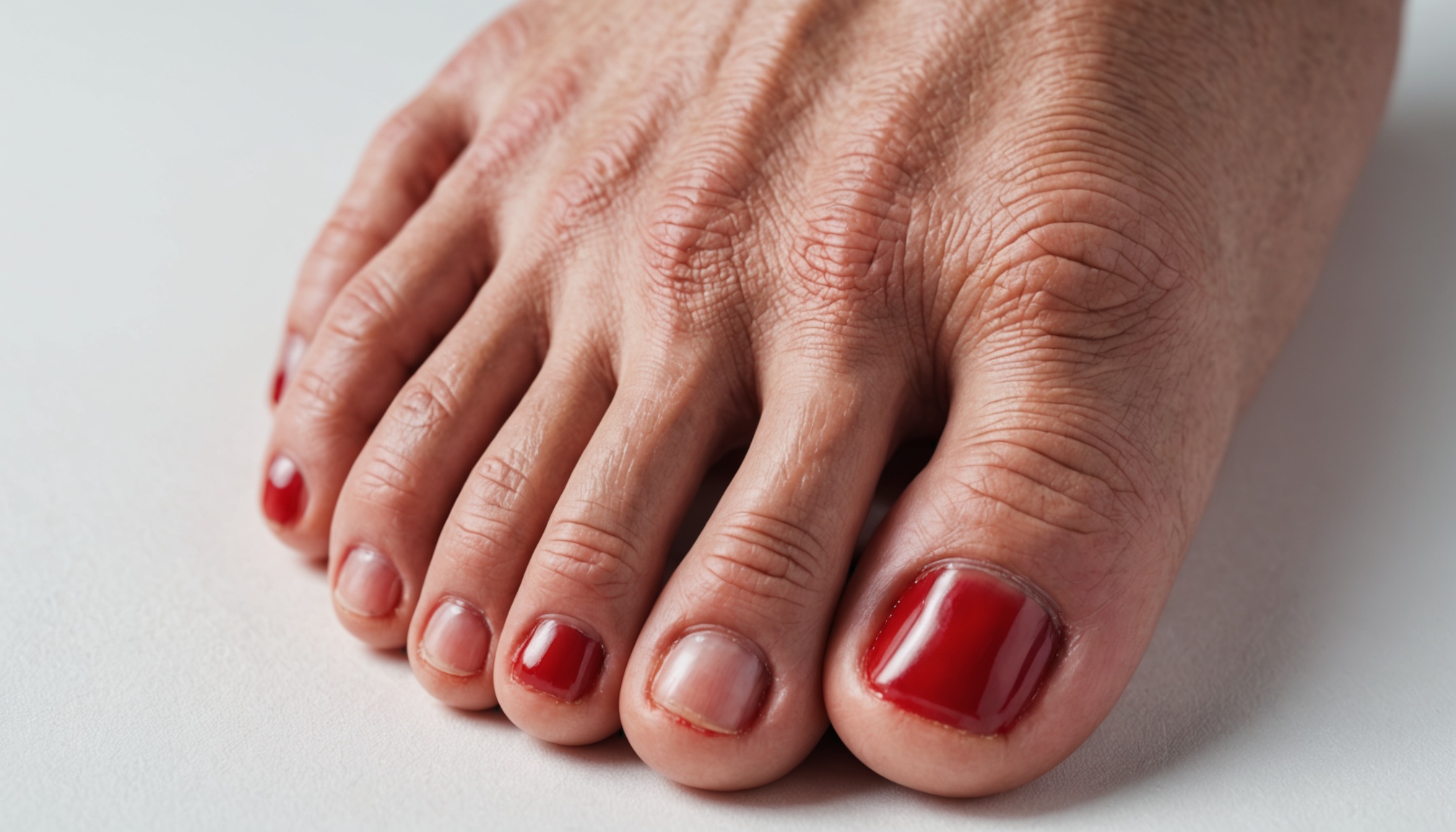
Gout is a form of inflammatory arthritis caused by a build-up of uric acid crystals in and around the joints. It causes sudden, severe attacks of pain, swelling and redness — most often in the big toe — and can be extremely debilitating. It affects around 2.5 million people in the UK and is the most common cause of inflammatory arthritis in men.
What causes gout?
Gout occurs when uric acid — a natural waste product formed when the body breaks down purines (substances found in many foods and drinks) — builds up to high levels in the blood. When uric acid levels become too high, needle-shaped crystals can form in and around joints, triggering intense inflammation. Certain factors increase the risk, including a diet rich in red meat, shellfish and beer, being overweight, kidney disease, taking certain medications such as diuretics, and a family history of gout.
Recognising a gout attack
A gout attack typically comes on suddenly and often overnight. The affected joint — most commonly the base of the big toe, but also the ankle, knee, wrist or fingers — becomes intensely painful, swollen, red and warm to the touch. The pain is often described as one of the most severe a person can experience. An attack usually lasts between 5 and 10 days, then resolves completely — but without treatment, attacks tend to become more frequent and affect more joints over time.
Treating an acute attack
During an acute attack, the goal is to relieve pain and inflammation as quickly as possible. Anti-inflammatory medications are the mainstay of treatment. Resting the affected joint and applying ice packs can also help. It is important to start treatment at the first sign of an attack, as the sooner treatment begins, the faster it tends to work. Keeping the joint elevated can help reduce swelling.
Long-term management
For people who have repeated attacks, long-term urate-lowering therapy (ULT) is recommended to bring uric acid levels down and keep them low. This medication, when taken correctly, prevents new crystals from forming and gradually dissolves existing deposits. It is important to know that ULT should not be started during an acute attack, as this can prolong or worsen the flare. Once started, the medication needs to be taken indefinitely — stopping it leads to uric acid levels rising again.
Diet, lifestyle and prevention
Diet plays an important supporting role in gout management. Reducing intake of red meat, offal, shellfish and alcohol — particularly beer — and drinking plenty of water (at least two litres per day) can help keep uric acid levels down. However, dietary changes alone are rarely sufficient and most people will still need medication. Losing weight if overweight and reviewing any medications that raise uric acid (such as diuretics) are also helpful. This article has been prepared following careful evaluation of current clinical guidelines on gout management.