Stomach Ulcers & H. pylori
Understanding peptic ulcers, their causes, and how they are treated
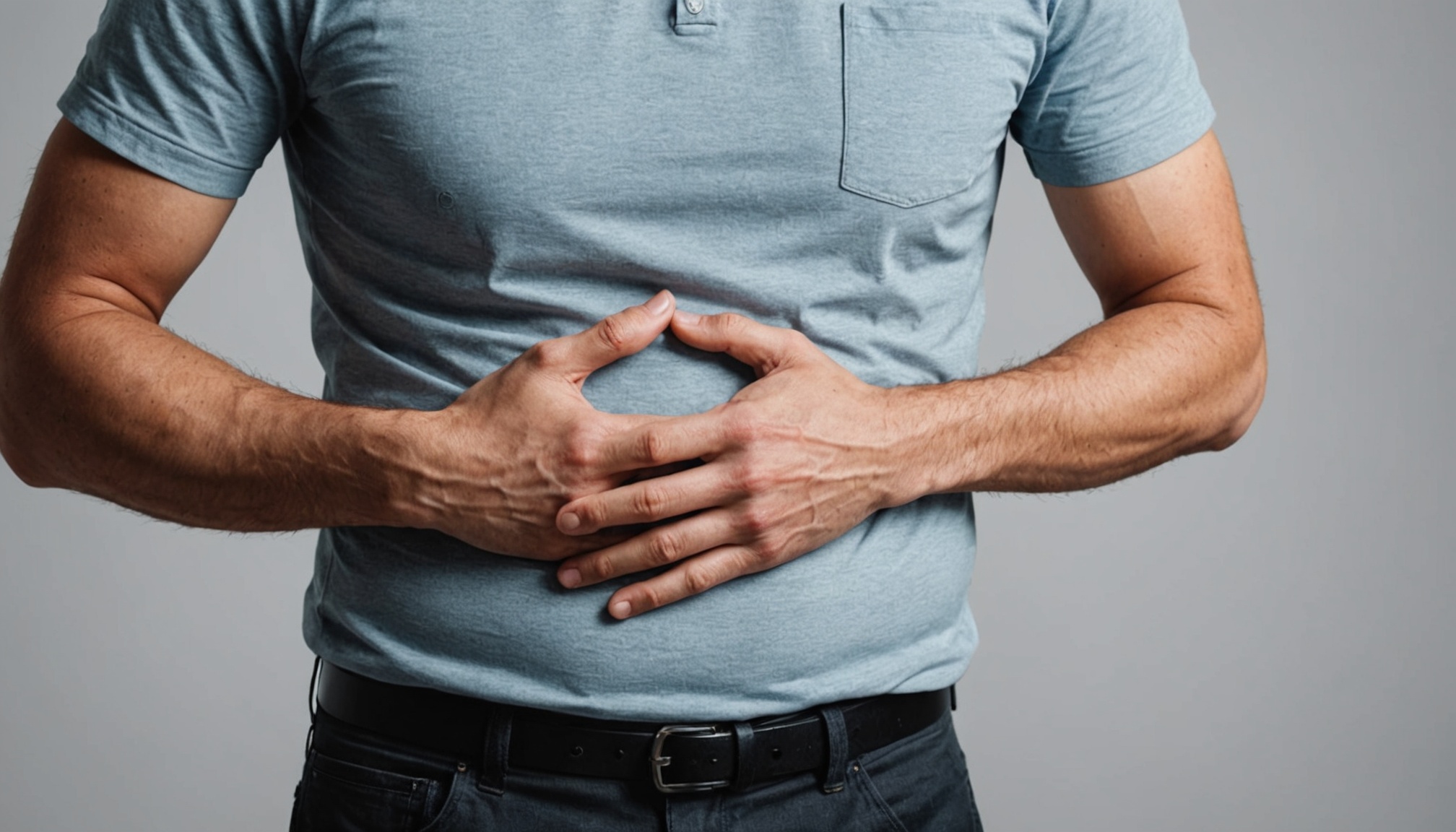
Peptic ulcers are sores that develop on the lining of the stomach or the upper part of the small intestine (duodenum). They are a common condition, affecting around 1 in 10 people at some point in their lives. The two most common causes are infection with a bacterium called Helicobacter pylori (H. pylori) and long-term use of anti-inflammatory painkillers such as ibuprofen.
What causes peptic ulcers?
The stomach produces acid to help digest food. The lining of the stomach and duodenum is normally protected by a layer of mucus. When this protection is disrupted — by H. pylori infection or by anti-inflammatory drugs — acid damages the lining and an ulcer can form. H. pylori is a very common infection, present in around half of the world's population, though most people who carry it never develop ulcers.
Symptoms of a stomach ulcer
The most common symptom is a burning or gnawing pain in the upper abdomen, often worse on an empty stomach and sometimes relieved by eating (duodenal ulcer) or worsened by eating (gastric ulcer). Other symptoms include nausea, bloating, loss of appetite and weight loss. A bleeding ulcer may cause vomiting of blood (which may look like coffee grounds) or black tarry stools — both of which require urgent medical attention.
How is H. pylori detected and treated?
H. pylori can be detected with a simple breath test, a stool antigen test, or a blood test. The breath test is the most accurate and is widely used. If H. pylori is found, a course of antibiotics combined with an acid-reducing medicine is prescribed — this is known as eradication therapy. It typically involves taking two antibiotics and a proton pump inhibitor (acid suppressant) for one week. Successful eradication cures the infection and significantly reduces the chance of ulcers recurring.
NSAIDs and stomach protection
If you need to take anti-inflammatory painkillers regularly — for example for arthritis — and cannot avoid them, your doctor will likely prescribe a proton pump inhibitor (PPI) such as omeprazole alongside them. PPIs reduce the amount of acid produced by the stomach and protect the lining. Paracetamol is generally gentler on the stomach than anti-inflammatory drugs and is a useful alternative for pain relief when possible.
Recovery and preventing recurrence
Most peptic ulcers heal well with treatment and symptoms improve significantly within a few weeks. A repeat breath test or stool test after completing eradication treatment confirms whether H. pylori has been successfully eliminated. Stopping anti-inflammatory drugs, reducing alcohol and stopping smoking all help the stomach lining heal and prevent ulcers returning. This information has been reviewed through evaluation of current gastroenterology guidelines and treatment recommendations.