HIV & AIDS
Human immunodeficiency virus — prevention, testing and antiretroviral therapy
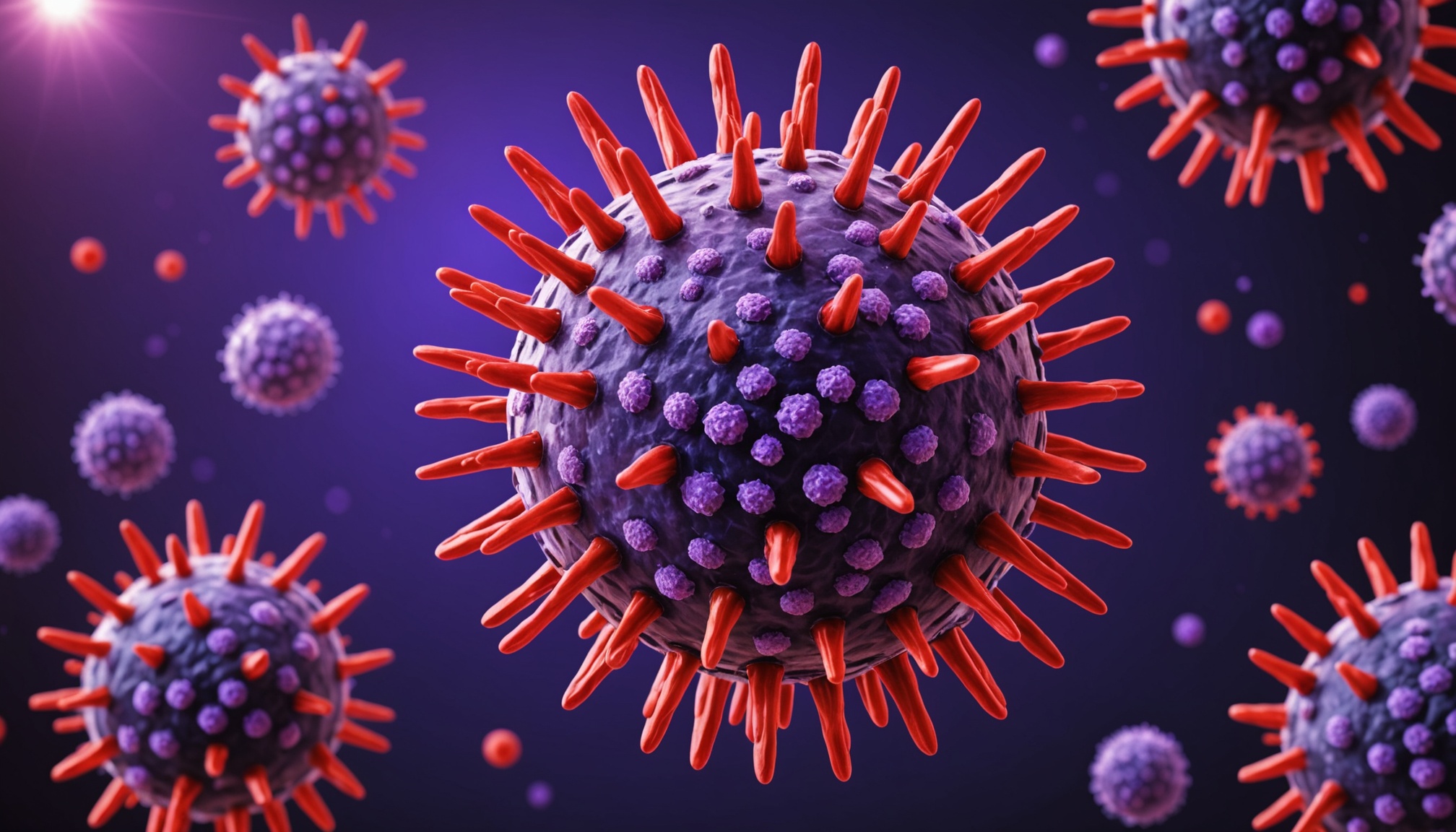
HIV (human immunodeficiency virus) remains one of the most significant global public health challenges, though advances in treatment mean that people living with HIV today can expect a normal life expectancy with the right care. Early testing, effective treatment, and open discussion are key to ending the HIV epidemic.
What is HIV?
HIV is a virus that attacks the immune system — specifically the CD4 T cells that are central to fighting infections. Without treatment, HIV gradually destroys these immune cells, leaving the body vulnerable to infections and cancers that a healthy immune system would normally control. AIDS (acquired immunodeficiency syndrome) is the most advanced stage of HIV infection, defined by a CD4 count below 200 cells/mm3 or the presence of an AIDS-defining illness. Thanks to modern antiretroviral therapy (ART), most people with HIV never develop AIDS. HIV is not spread through casual contact — you cannot get it from hugging, kissing, sharing food, or being near someone who is HIV-positive.
Transmission & Prevention
HIV is transmitted through certain bodily fluids: blood, semen, rectal fluids, vaginal fluids, and breast milk. The most common routes of transmission are unprotected sexual intercourse (particularly receptive anal sex), sharing needles or syringes, and transmission from mother to child during pregnancy, birth, or breastfeeding. HIV is NOT transmitted through saliva, sweat, tears, sneezing, coughing, sharing food or drink, toilet seats, or insect bites. Prevention strategies include using condoms consistently and correctly, taking pre-exposure prophylaxis (PrEP — a daily medication that is highly effective at preventing HIV in HIV-negative people at high risk), never sharing needles, accessing needle exchange services, and ensuring pregnant women living with HIV receive appropriate treatment to prevent mother-to-child transmission.
Testing & Diagnosis
HIV testing is the only way to know your status, and is recommended for everyone in the UK at least once in their lifetime, with more frequent testing for those at higher risk. Testing is available free on the NHS through GPs, sexual health clinics, GUM clinics, and via home testing kits. HIV tests detect either HIV antibodies or a combination of antibodies and the p24 antigen — modern combination tests are highly accurate from 4 weeks after possible exposure. A positive result will be followed by confirmatory testing and prompt evaluation by an HIV specialist, including CD4 count and viral load measurement, to determine the stage of infection and when to start treatment. The earlier HIV is detected, the better the outcomes.
Living with HIV
With effective antiretroviral therapy (ART), people living with HIV can achieve an undetectable viral load — meaning the level of HIV in the blood is so low it cannot be measured by standard tests. This is transformative for two reasons: it protects the person's own health by preserving the immune system, and it means that HIV cannot be transmitted sexually — a concept known as U=U (Undetectable = Untransmittable), supported by extensive evidence. ART typically involves taking one tablet daily. Modern treatments are well tolerated with few side effects. Adherence is critically important — missing doses can allow the virus to replicate and potentially develop resistance. Regular follow-up with an HIV specialist, annual sexual health screens, and attention to cardiovascular health, mental wellbeing, and vaccinations are all important parts of long-term care.