High Blood Pressure (Hypertension)
Understanding causes, symptoms and how it is managed
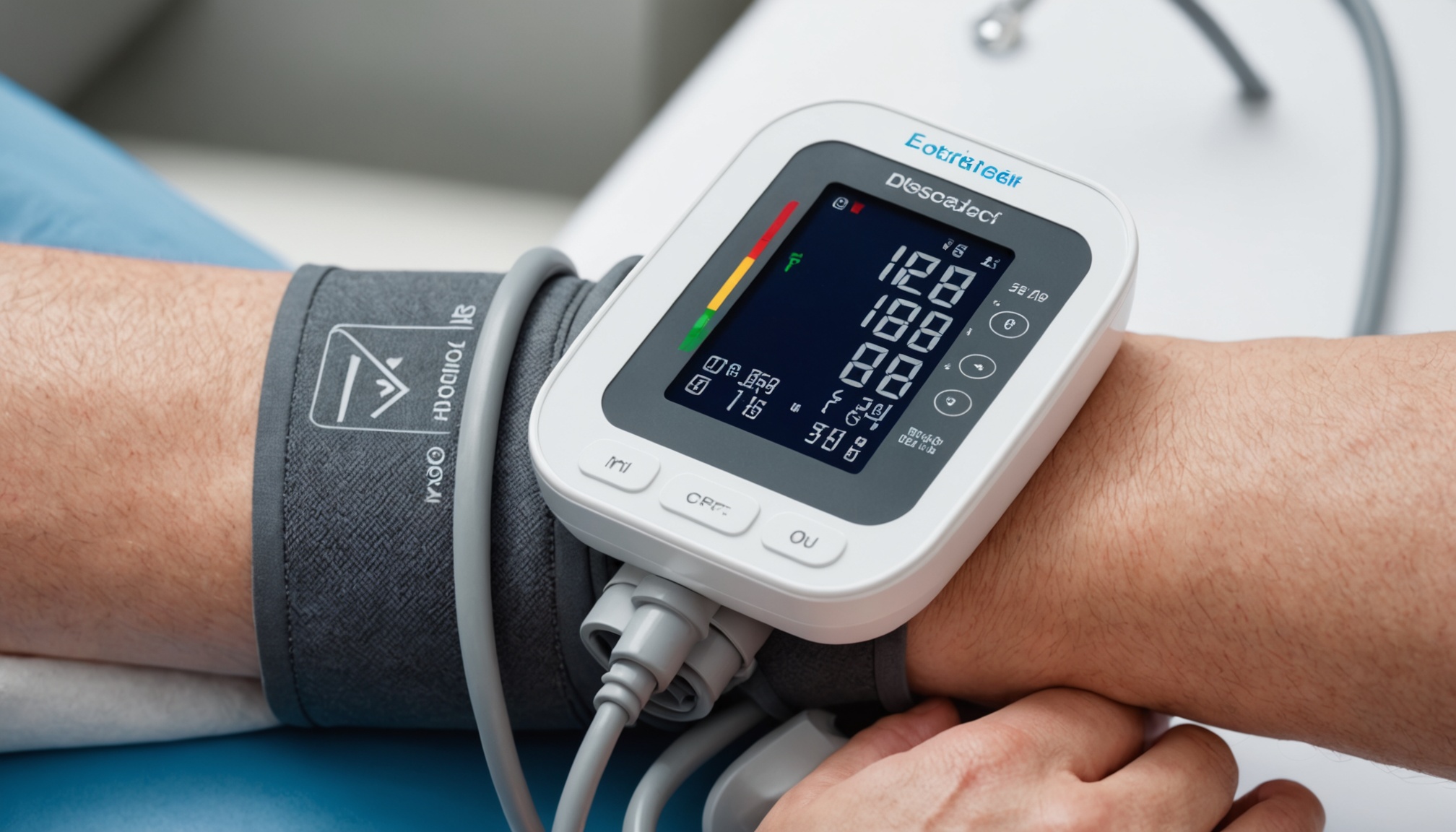
High blood pressure, or hypertension, is one of the most common long-term health conditions in the UK. It affects around one in three adults and is often called the 'silent killer' because it rarely causes noticeable symptoms until serious damage has already occurred.
What is high blood pressure?
Blood pressure is measured using two numbers — the systolic pressure (when your heart beats) and the diastolic pressure (when your heart rests between beats). A reading of 140/90 mmHg or above on two separate occasions is considered high. Blood pressure naturally fluctuates throughout the day and can be affected by exercise, stress, caffeine and many other factors.
What causes high blood pressure?
In most cases, there is no single identifiable cause — this is known as primary or essential hypertension. Risk factors include being overweight, eating too much salt, not exercising enough, drinking too much alcohol, smoking, a family history of high blood pressure, and older age. In a smaller number of people, high blood pressure is caused by an underlying condition such as kidney disease or hormonal disorders — this is known as secondary hypertension.
Symptoms and when to seek help
Most people with high blood pressure have no symptoms at all, which is why regular blood pressure checks are so important. In some cases, very high blood pressure may cause headaches, blurred vision, nosebleeds or shortness of breath. If you experience severe headache, chest pain, or sudden confusion alongside high blood pressure, seek emergency help immediately. The condition is diagnosed through simple blood pressure measurements and is easily assessed through evaluation with routine tests.
How is it treated?
Treatment depends on your blood pressure reading and overall cardiovascular risk. Lifestyle changes are always the first step — eating less salt, losing weight, exercising regularly, cutting down on alcohol and stopping smoking can all make a meaningful difference. When lifestyle changes are not enough, medications are prescribed. The type of medication depends on your age, ethnicity, and whether you have other conditions such as diabetes or kidney disease. Most people will need to take medication long-term, and some may need more than one type.
Living well with high blood pressure
High blood pressure is a lifelong condition for most people, but it can be very well managed. Regular check-ups with your GP or practice nurse are important to make sure your blood pressure remains under good control and that any medications are still working as they should. Many people live full, healthy lives with well-controlled blood pressure. Home blood pressure monitors are widely available and can help you keep track between appointments. Your healthcare team are there to support you — never stop taking your medication without speaking to them first, as this can lead to a sudden and dangerous rise in pressure.