Hypoglycaemia
Low blood glucose — recognition and emergency management
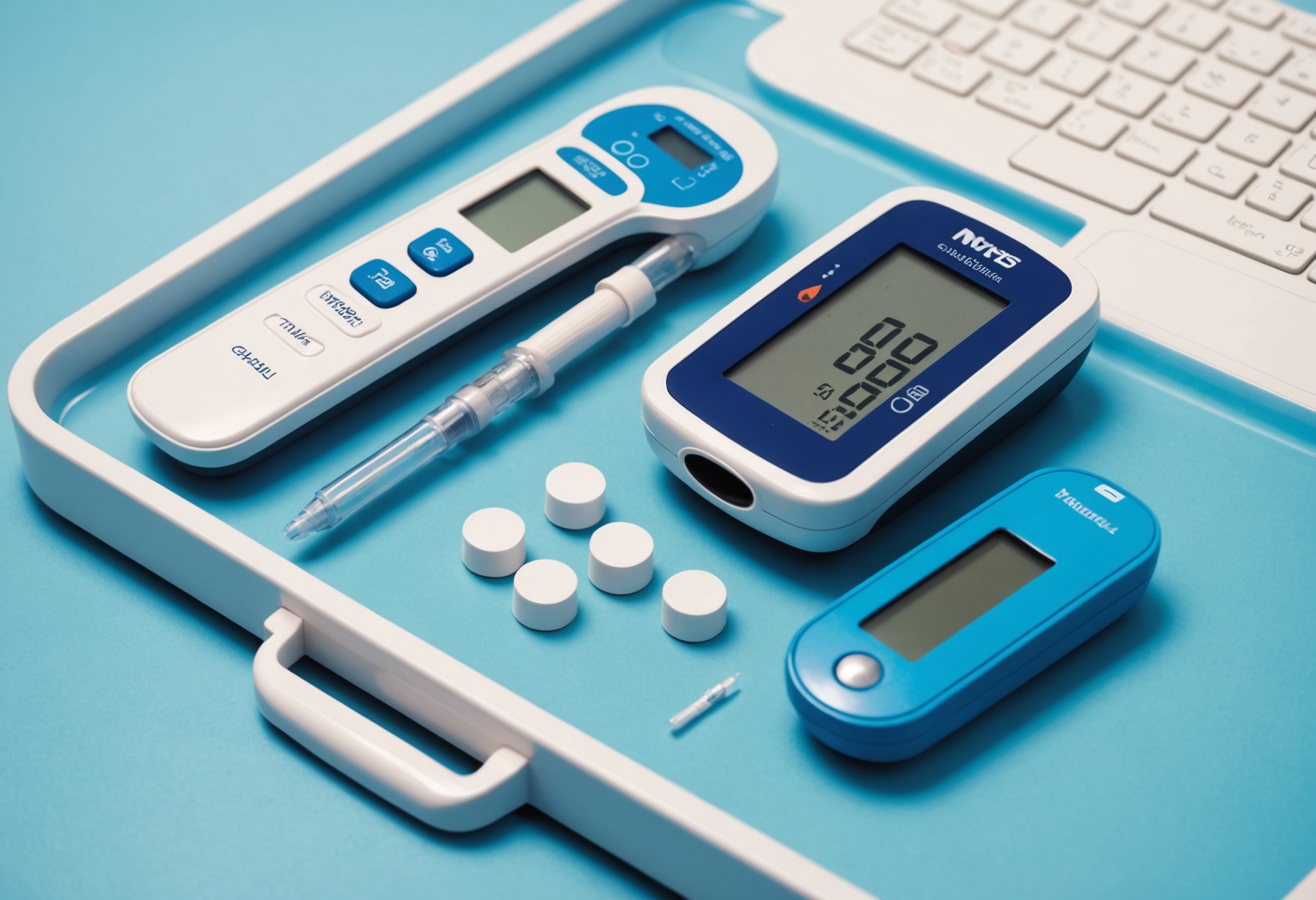
Hypoglycaemia — low blood glucose — is a common and potentially dangerous condition, particularly in people with diabetes. Defined as a blood glucose below 4 mmol/L, it can cause symptoms ranging from mild shakiness to loss of consciousness if not promptly treated.
What is hypoglycaemia?
Hypoglycaemia occurs when blood glucose falls below 4 mmol/L (the 'four is the floor' rule from NICE NG28). The brain relies almost entirely on glucose for energy, making low blood sugar a medical emergency when severe. Whipple's triad defines hypoglycaemia clinically: symptoms consistent with low blood glucose, a low plasma glucose measurement, and resolution of symptoms when glucose is restored.
Causes and risk factors
The most common causes are insulin excess (too high a dose or incorrect timing), sulphonylurea medications (e.g. gliclazide), and alcohol — particularly when food intake is reduced. Other causes include missed or delayed meals, unusual exercise, and, rarely, insulinomas or other medical conditions. People with type 1 diabetes are at highest risk; those with type 2 diabetes on insulin or sulphonylureas are also at significant risk. Hypoglycaemia unawareness — where warning symptoms are lost — can develop in those with long-standing diabetes or frequent hypoglycaemic episodes.
Recognising the symptoms
Early (adrenergic) symptoms include sweating, trembling, palpitations, hunger, anxiety and pallor. As glucose falls further, neuroglycopenic symptoms develop: difficulty concentrating, confusion, slurred speech, drowsiness, and in severe cases, seizures or loss of consciousness. BM (capillary blood glucose) testing confirms the diagnosis. Any reading below 4 mmol/L in a person with diabetes should be treated promptly.
Emergency treatment
If conscious and able to swallow: give 15–20g fast-acting carbohydrates (e.g. 5–7 glucose tablets, 150–200ml fruit juice, or 3–4 glucogel). Recheck BM after 10–15 minutes and repeat if still below 4 mmol/L. Follow with a longer-acting carbohydrate snack once glucose has recovered. If unconscious or unable to swallow: glucagon 1 mg IM (GlucaGen or Baqsimi nasal powder) or IV glucose 75–80ml of 20% dextrose (JBDS guidelines). Recovery should occur within 10–15 minutes. Call 999 if no response.
Prevention and sick day rules
Patients on insulin or sulphonylureas should carry fast-acting glucose at all times. Sick day rules are essential: during illness, patients should not stop insulin, monitor glucose more frequently, stay hydrated, and contact their diabetes team if glucose cannot be maintained or ketones are rising. DVLA regulations require people on insulin to check blood glucose before driving and every 2 hours on long journeys. Target glucose for driving is 5 mmol/L or above. This guidance has been prepared following evaluation of NICE NG28 and BNF recommendations.