Managing Transplant Patients
Immunosuppression, monitoring, infection prophylaxis and long-term care — NICE and BNF aligned
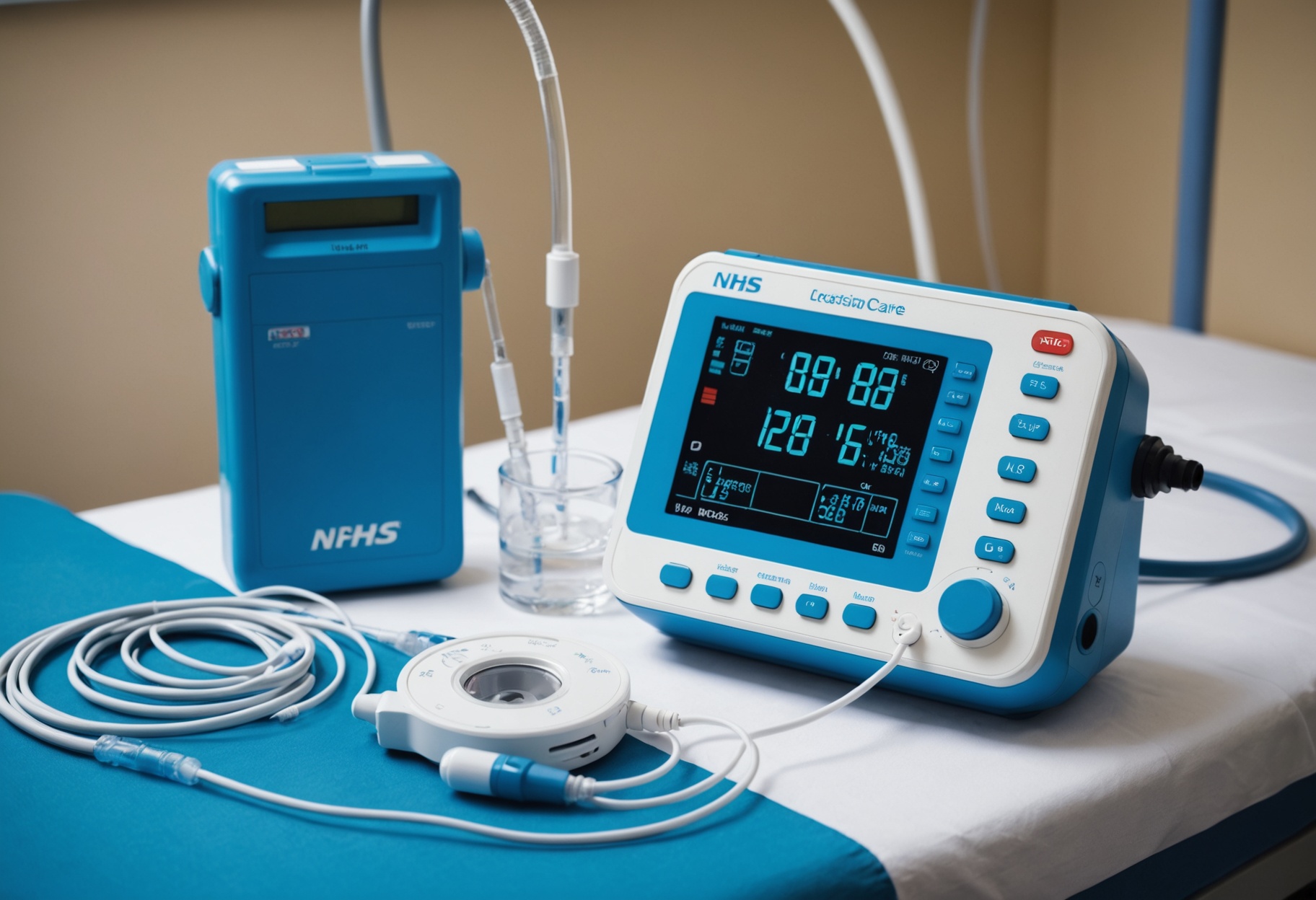
Solid organ transplant recipients require lifelong immunosuppressive therapy to prevent graft rejection. Management involves balancing the risk of rejection against the risks of immunosuppression: infection, malignancy, and drug-specific toxicities. Care is highly specialised and requires regular monitoring of drug levels, renal function, and metabolic parameters. Pharmacists play a crucial role in optimising regimens, managing interactions, and supporting patient adherence.
Immunosuppressive Regimens
Standard maintenance immunosuppression follows a triple-therapy approach: a calcineurin inhibitor (tacrolimus or ciclosporin), an antimetabolite (mycophenolate mofetil or azathioprine), and corticosteroids (prednisolone). Tacrolimus is now preferred over ciclosporin in most regimens due to superior efficacy and lower rates of acute rejection. Induction therapy at transplantation may include biologics such as basiliximab (IL-2 receptor antagonist) or antithymocyte globulin (ATG) in high-risk patients. Steroid-sparing or steroid-free regimens are increasingly used to reduce long-term metabolic and bone complications, though this must be balanced against rejection risk.
Drug Monitoring and Interactions
Calcineurin inhibitors have narrow therapeutic windows and require regular trough level monitoring. Target tacrolimus levels vary by organ and time post-transplant (typically 8–12 mcg/L early, 5–8 mcg/L long-term). Ciclosporin targets are higher (150–300 mcg/L early). Both are metabolised by CYP3A4 and P-glycoprotein, making them subject to numerous interactions: macrolide antibiotics, azole antifungals, and calcium channel blockers increase levels; rifampicin, carbamazepine, and St John's wort decrease levels. Grapefruit juice significantly increases tacrolimus/ciclosporin levels and must be avoided. Mycophenolate does not require level monitoring but can cause bone marrow suppression — monitor FBC regularly. All immunosuppressants increase infection and malignancy risk.
Infection Prophylaxis and Surveillance
Transplant recipients are at high risk of opportunistic infections, particularly in the first 6–12 months post-transplant when immunosuppression is most intense. Standard prophylaxis includes: co-trimoxazole (or dapsone/atovaquone if intolerant) for Pneumocystis jirovecii pneumonia (PCP) for 6–12 months; valganciclovir for CMV prophylaxis in high-risk patients (donor positive/recipient negative) for 3–6 months; and antifungal prophylaxis (nystatin, fluconazole) in the early post-operative period. Vaccination is crucial but live vaccines (MMR, varicella, yellow fever) are contraindicated. Inactivated vaccines (influenza, pneumococcal, hepatitis B) should be given, ideally pre-transplant. Patients must be educated to report fever, cough, dysuria, or new symptoms promptly.
Long-Term Complications and Monitoring
Long-term transplant survivors face unique challenges: cardiovascular disease is the leading cause of death; aggressive risk factor management (BP <130/80, statins, diabetes control, smoking cessation) is essential. Post-transplant diabetes mellitus (PTDM) affects 20–30% of recipients, often triggered by tacrolimus or steroids. Malignancy risk is significantly increased — particularly skin cancers (squamous cell carcinoma), post-transplant lymphoproliferative disorder (PTLD, EBV-driven), and solid tumours. Annual skin checks, sun protection advice, and age-appropriate cancer screening are mandatory. Calcineurin inhibitor nephrotoxicity can cause chronic kidney disease even in non-renal transplants. Bone disease (osteoporosis, avascular necrosis) from steroids requires DEXA scanning and bone protection. This article has been prepared following careful evaluation of NICE guidelines and current BNF recommendations for transplant management.