Meningitis
Bacterial and viral meningitis — emergency recognition and management
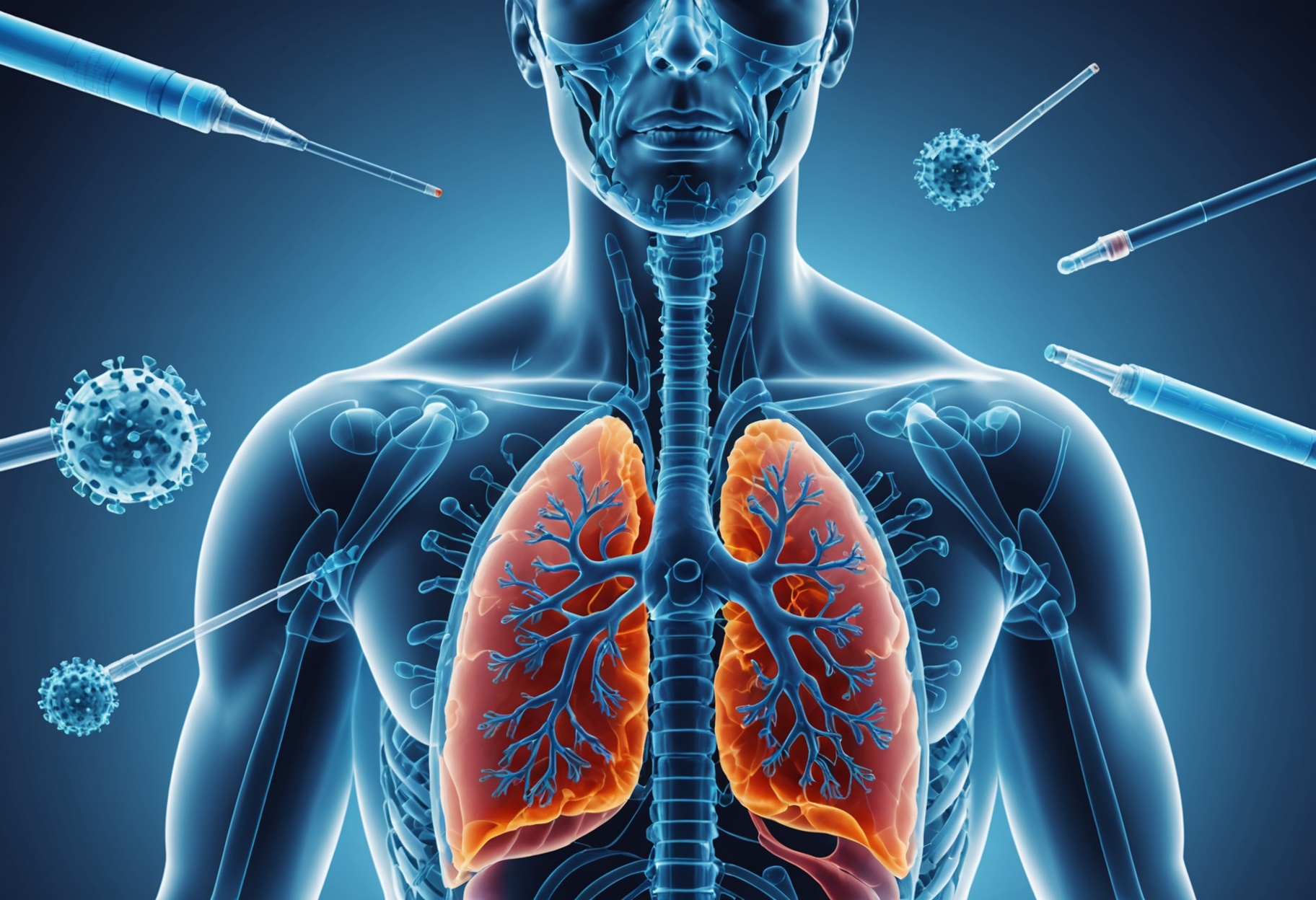
Meningitis is inflammation of the meninges — the membranes surrounding the brain and spinal cord — most commonly caused by bacterial or viral infection. Bacterial meningitis is a life-threatening medical emergency with a mortality rate of 10–15% even with treatment, and significant morbidity including hearing loss, neurological damage, and limb loss. Early recognition and immediate treatment are critical to survival and reducing complications.
What is Meningitis?
Meningitis is inflammation of the meninges (pia mater, arachnoid mater, and dura mater) surrounding the brain and spinal cord. It is most commonly caused by infection — bacterial or viral — but can also result from fungal, parasitic, or non-infectious causes (e.g. drugs, malignancy, autoimmune disease). Bacterial meningitis is the most serious form, caused most commonly by Neisseria meningitidis (meningococcal) and Streptococcus pneumoniae (pneumococcal) in the UK. Haemophilus influenzae type b (Hib) was previously a major cause but is now rare following vaccination. Listeria monocytogenes causes meningitis in neonates, the elderly, pregnant women, and immunocompromised individuals. Tuberculous meningitis is subacute and requires specific anti-tuberculous treatment. Meningitis is a notifiable disease in the UK — report to Public Health England (PHE) immediately upon diagnosis.
Bacterial vs Viral
Bacterial meningitis is a medical emergency — it progresses rapidly and has high mortality without immediate treatment. It is characterised by a purulent CSF (turbid, high protein, very low glucose, high neutrophils). Key bacterial causes in the UK: Neisseria meningitidis (meningococcal) — most common in children and young adults; can cause septicaemia with non-blanching petechial or purpuric rash; Streptococcus pneumoniae (pneumococcal) — more common in adults and elderly; higher mortality; Listeria monocytogenes in vulnerable groups. Viral (aseptic) meningitis is the most common form overall and is usually self-limiting. Common causes include enteroviruses (summer/autumn outbreaks), herpes simplex virus (HSV — causes viral encephalitis as well as meningitis), mumps (rare since MMR vaccination), and EBV. Viral meningitis CSF shows clear fluid, normal or mildly elevated protein, normal glucose, and predominantly lymphocytes. Most patients recover fully within 1–2 weeks with supportive care.
Signs & Symptoms
The classic triad of meningitis is: fever, severe headache, and neck stiffness. Photophobia (sensitivity to light) and phonophobia are also common. In bacterial meningitis, a non-blanching petechial or purpuric rash is a critical sign of meningococcal septicaemia — it does not fade when pressed with a glass (the tumbler test) and requires immediate 999 call. Kernig's sign — inability to fully extend the knee when the hip is flexed to 90° — indicates meningeal irritation. Brudzinski's sign — involuntary hip flexion when the neck is passively flexed — is another sign of meningism. Altered consciousness, seizures, focal neurological deficits, and papilloedema indicate severe disease and possible raised intracranial pressure. In infants, symptoms may be atypical — including bulging fontanelle, high-pitched cry, refusing feeds, stiff body or floppy, and pale or mottled skin. Elderly patients may also present atypically without classic signs.
Complications & Prevention
Complications of bacterial meningitis include: sensorineural hearing loss (common — up to 30% with pneumococcal meningitis); neurological sequelae including cognitive impairment, learning difficulties, and focal deficits; limb loss from meningococcal septicaemia and peripheral ischaemia; hydrocephalus; and subdural empyema. All survivors should have audiology follow-up, and evaluation of longer-term neurological outcomes is recommended at 4–6 weeks post-discharge. Vaccination is the most effective prevention: MenACWY vaccine (offered to adolescents and university freshers), MenB vaccine (offered at 8 weeks, 16 weeks, and 1 year in the NHS routine programme), and pneumococcal vaccine (PPV23 for at-risk adults; PCV13 in the childhood schedule). Hib vaccination is part of the routine 6-in-1 vaccine. Chemoprophylaxis for close contacts of meningococcal cases: ciprofloxacin 500mg single dose (adults) or rifampicin 600mg BD for 2 days — per PHE guidance within 24 hours of contact. The Meningitis Now charity provides support for survivors and families.