Fatty Liver Disease (NAFLD/MASLD)
Understanding fat in the liver, what it means, and what you can do about it
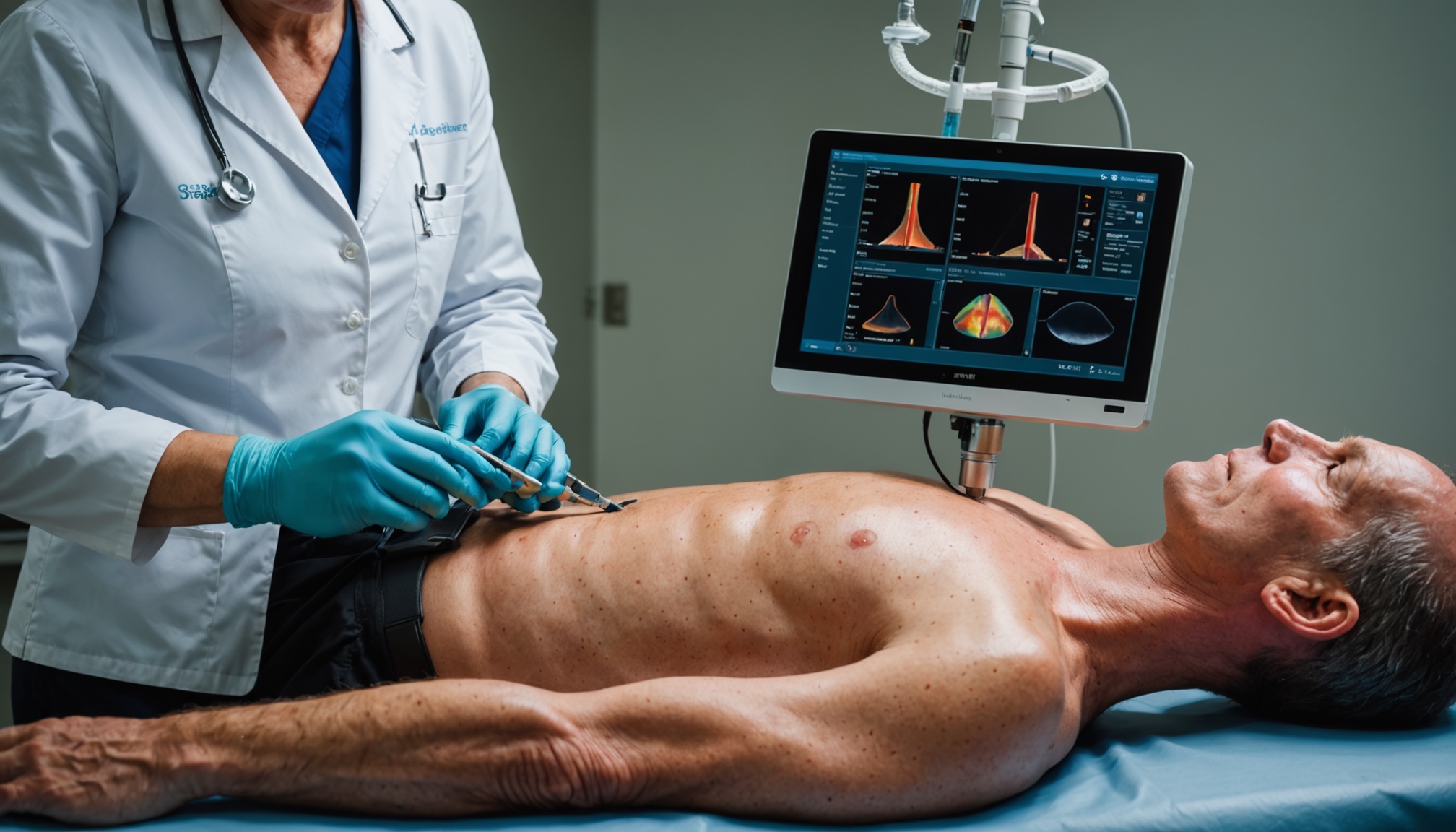
Non-alcoholic fatty liver disease (NAFLD) — now increasingly called metabolic-associated steatotic liver disease (MASLD) — is a condition in which excess fat accumulates in the liver in people who drink little or no alcohol. It is the most common liver condition in the UK, affecting around one in three adults, most of whom have no idea they have it.
What is fatty liver disease?
A small amount of fat in the liver is normal, but when fat makes up more than 5% of the liver's weight, it is considered fatty liver disease. For most people, the condition stays at this early stage and causes no harm. However, in around one in five people, the liver becomes inflamed — a more serious form called NASH (non-alcoholic steatohepatitis) — which can over many years lead to scarring (fibrosis) and eventually cirrhosis.
What causes it and who is at risk?
Fatty liver disease is closely linked to obesity, type 2 diabetes, high blood pressure, high cholesterol and a sedentary lifestyle — collectively known as metabolic syndrome. It is particularly common in people with excess weight around the abdomen. It can also affect people who are not obviously overweight, particularly those of South Asian descent, who may develop it at a lower BMI than people of other ethnicities.
Symptoms and detection
The vast majority of people with fatty liver disease have no symptoms at all — it is usually discovered incidentally when a scan or blood test is done for another reason. Some people experience a dull ache in the upper right abdomen and fatigue. Because it is largely silent, many people only discover they have it at a more advanced stage. Blood tests may show mildly elevated liver enzymes, though these can also be normal in fatty liver disease.
Treatment — why lifestyle matters so much
There is currently no licensed medication specifically approved for fatty liver disease in the UK. The most effective treatment is lifestyle change. Losing just 5–10% of body weight can significantly reduce liver fat and inflammation. Regular exercise — both aerobic activity and resistance training — independently benefits the liver even without weight loss. Reducing or eliminating alcohol intake, even for those who drink within recommended limits, is also advisable as it can worsen the condition.
Looking after your liver long-term
For most people with fatty liver disease, the condition is reversible with sustained lifestyle changes — particularly weight loss. Regular blood tests and occasional scans allow your doctor to monitor whether the disease is progressing. It is important to inform any new doctor or pharmacist about your liver condition, as some medications are processed by the liver and need to be used with caution. This article has been reviewed through evaluation of current hepatology guidelines and national recommendations for liver disease management.