NICE Guidelines for Older People
Key national guidance on medicines, falls, frailty, dementia and care in older adults
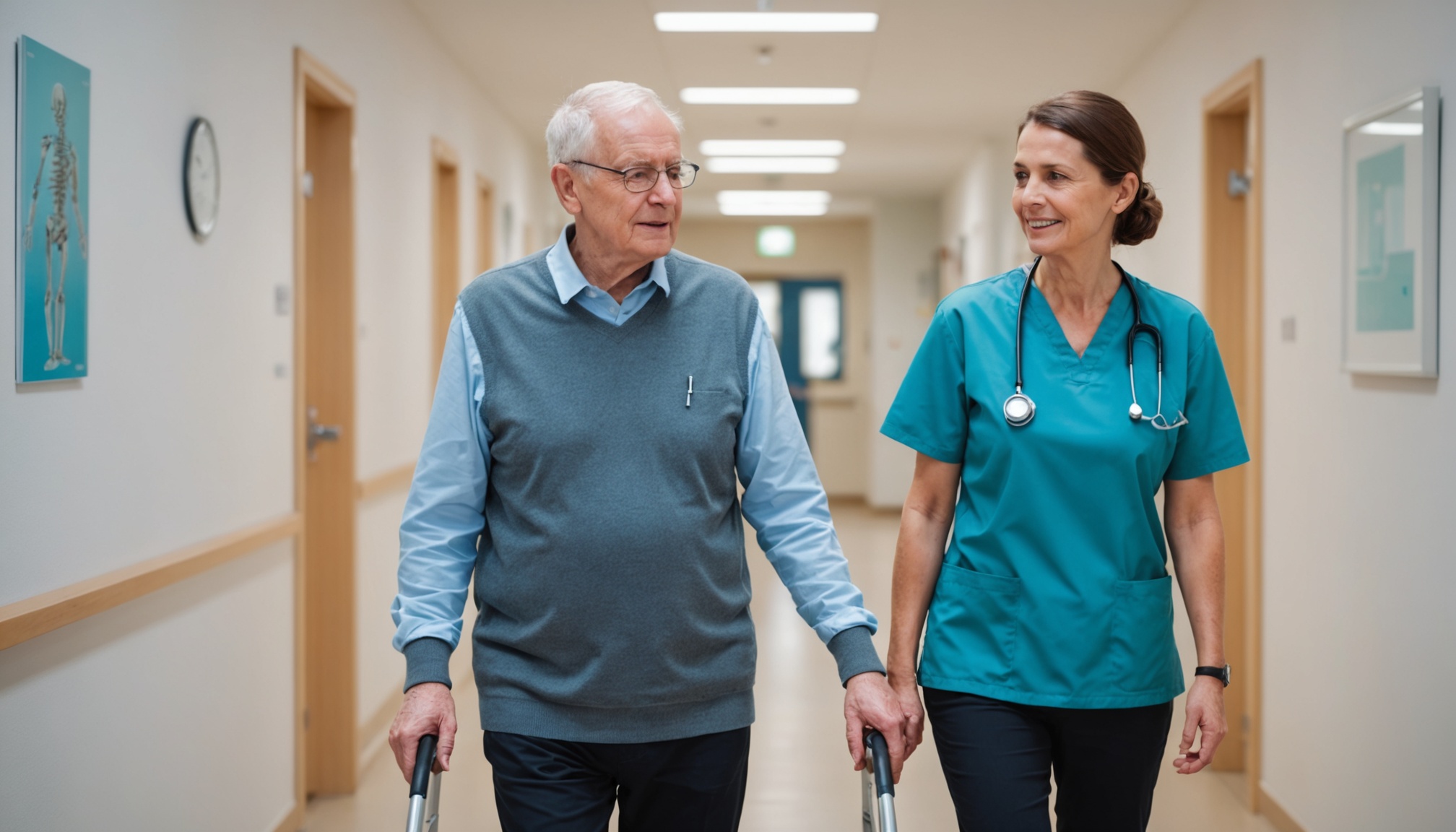
Older people are the largest consumers of medicines in the UK and the group most vulnerable to medicines-related harm. The National Institute for Health and Care Excellence (NICE) has published extensive guidance specifically addressing the care of older adults — from medicines optimisation and polypharmacy, to falls prevention, frailty assessment, dementia care, and end-of-life planning. Understanding and applying this guidance is a core responsibility for all healthcare professionals working with older patients.
Why Older People Need Specific Guidance
As people age, the way the body handles medicines changes significantly. The kidneys and liver become less efficient, meaning drugs can build up to higher levels than expected. Body composition shifts, and older adults often become more sensitive to certain medicines — particularly those that affect the brain or circulation. These changes, combined with the fact that most older people are managing several health conditions at once, mean that medicines which are perfectly safe in younger adults can cause serious problems in older patients. This is why specific, age-aware guidance is so important.
The Challenge of Multiple Medicines
Most older adults take several medicines every day — often prescribed by different doctors for different conditions. While each medicine may be appropriate on its own, taking many together increases the risk of interactions, side effects, and confusion about how and when to take them. Regular reviews of all medicines are an important part of good care for older people, helping to make sure that every medicine is still needed, working as intended, and not causing harm. Sometimes stopping a medicine can be just as beneficial as starting one.
A Joined-Up Approach to Care
Good care for older people goes beyond treating individual conditions in isolation. It considers the whole person — their physical health, mental wellbeing, ability to carry out daily activities, home environment, and personal wishes. National guidance covers a wide range of areas relevant to older adults, including preventing falls, managing memory problems, recognising and treating sudden confusion, supporting people at the end of life, and keeping bones strong. The detailed clinical guidance for healthcare professionals is available in the section below.