Osteoporosis
Fragile bones — fracture risk, prevention and management
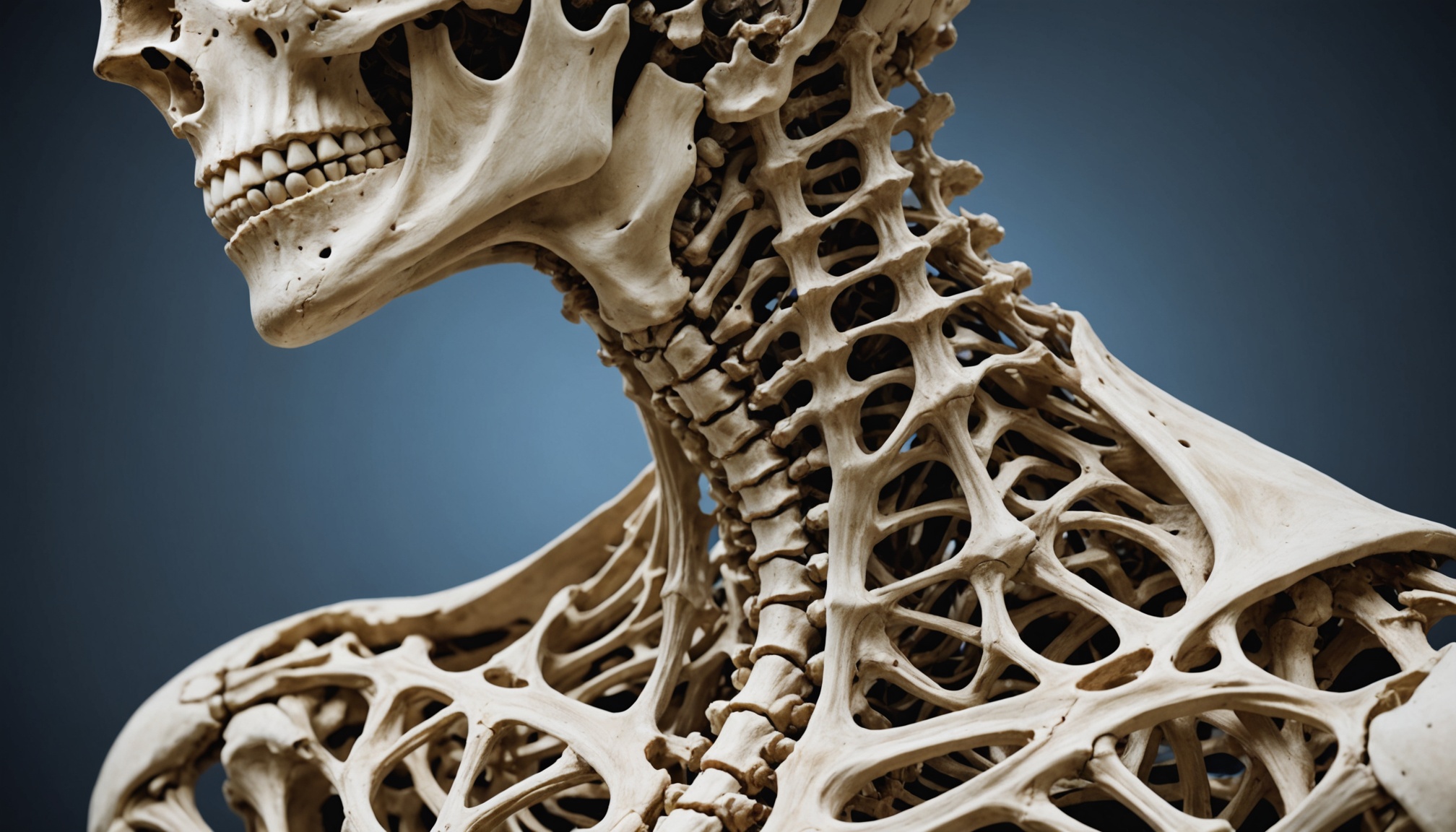
Osteoporosis is a condition in which bones become less dense and more fragile, increasing the risk of fractures. It is often called a 'silent disease' because bone loss occurs without symptoms — the first sign is frequently a fracture following a minor fall. Around three million people in the UK have osteoporosis, and it causes over 500,000 fragility fractures per year.
What is Osteoporosis?
Bone is living tissue that is constantly being broken down and rebuilt. Osteoporosis develops when this balance tips towards bone loss — when more bone is removed than can be replaced. This results in reduced bone mineral density (BMD) and structural changes that make bones fragile and prone to fracture, particularly at the hip, spine and wrist. Peak bone mass is reached in early adulthood, and maintaining it through life is key to preventing osteoporosis. The condition is diagnosed on DEXA (dual-energy X-ray absorptiometry) scanning, which measures BMD and generates a T-score comparing bone density to a young healthy adult.
Who is at Risk?
Key risk factors for osteoporosis include advancing age, female sex (especially postmenopause when oestrogen levels fall), family history of hip fracture, low body weight, smoking, excessive alcohol intake, long-term corticosteroid use (one of the most significant drug-related causes), previous fragility fracture, and conditions associated with reduced bone density such as coeliac disease, rheumatoid arthritis, inflammatory bowel disease and hypogonadism. Men account for around 20% of osteoporosis cases and are often underdiagnosed. The FRAX tool is used to calculate 10-year fracture probability to guide treatment decisions.
Diagnosis & Fracture Risk
Osteoporosis is usually diagnosed following a fragility fracture or during assessment of risk factors. DEXA scanning provides the T-score: T-score ≥ -1.0 is normal, -1.0 to -2.5 is osteopenia (low bone mass), and ≤ -2.5 is osteoporosis. A careful evaluation of overall fracture risk incorporates both BMD and clinical risk factors using the FRAX calculator — bone density alone does not tell the full story. Blood tests are performed to check for secondary causes (calcium, vitamin D, thyroid function, coeliac serology, testosterone in men). Falls risk assessment is equally important as most fragility fractures occur in people who fall.
Prevention & Lifestyle
Prevention of osteoporosis begins early in life — building strong bones through weight-bearing exercise, adequate calcium and vitamin D intake, not smoking and limiting alcohol reduces lifelong fracture risk. For those already diagnosed, these lifestyle measures remain important alongside medication. Calcium (1000–1200mg daily from diet and supplementation) and vitamin D (at minimum 400–800 IU daily) are foundations of treatment. Weight-bearing and resistance exercise maintains bone density and reduces falls risk. Falls prevention strategies — including balance exercises such as Tai Chi, home hazard assessment and vision checks — are essential components of osteoporosis management. See your GP if you have had a fall or fragility fracture, or if you are at increased risk and have not yet had a bone density assessment.