Palliative & End-of-Life Care
Understanding comfort-focused care when treatment is no longer curative
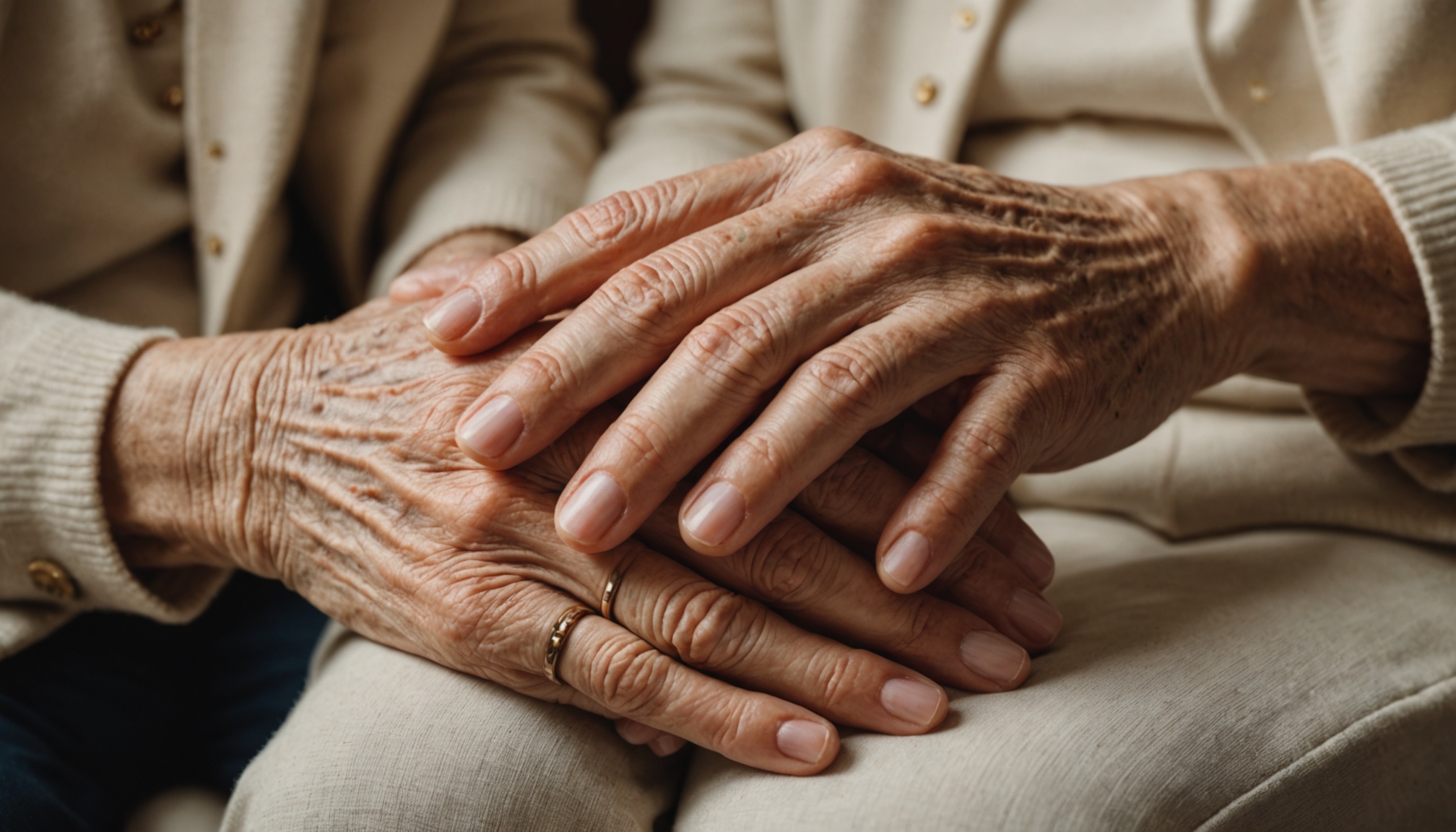
Palliative care is specialist medical care focused on providing relief from the symptoms, pain and stress of serious illness. The goal is to improve quality of life for both patient and family. It can be provided alongside curative treatment at any stage of illness and becomes the primary focus of care when curative treatment is no longer appropriate or desired.
What is palliative care?
Palliative care is not about giving up — it is about living as well as possible for as long as possible. It addresses physical symptoms such as pain, breathlessness, nausea and fatigue, as well as emotional, social and spiritual needs. Palliative care is delivered by a multidisciplinary team including doctors, nurses, social workers, chaplains and therapists, and can take place at home, in a hospice, care home or hospital.
Managing pain and symptoms
Effective pain management is central to palliative care. Pain is managed using the WHO analgesic ladder — starting with milder painkillers and progressing to stronger opioid medicines such as morphine when needed. At the correct dose, opioids are highly effective and safe for palliative pain — they do not hasten death. Other common symptoms such as breathlessness, nausea, agitation and secretions can all be effectively managed with the right medicines and care.
Planning ahead — Advance planning
One of the most important aspects of palliative care is planning ahead while the person still has the capacity to make decisions. Advance planning involves discussing and documenting preferences about future treatment — including whether to attempt resuscitation (DNACPR decision), preferred place of death, and any specific wishes. A RESPECT form (Recommended Summary Plan for Emergency Care and Treatment) is used in the UK to document these decisions and share them with all care teams.
Supporting families and carers
Palliative care extends to the people who love and care for the dying person. Carers often experience significant physical and emotional strain. Practical support — such as respite care, equipment loans, district nursing and Marie Curie night nursing — can make it possible for people to die at home if that is their wish. Emotional support and bereavement care for family members after the person has died is also an important part of palliative care.
The last days of life
When a person enters the last days or hours of life, care becomes focused entirely on comfort and dignity. Anticipatory medications — small doses of injectable medicines to manage pain, breathlessness and agitation — are prescribed in advance so they can be given quickly if needed without delay. Mouth care, repositioning, familiar voices and the presence of loved ones all contribute to a peaceful end of life. Information in this article has been prepared following careful evaluation of national end-of-life care guidelines and the NICE guideline on care of dying adults.