Pancreatitis
Acute management, enteral nutrition, PERT for chronic pancreatitis and NICE NG104
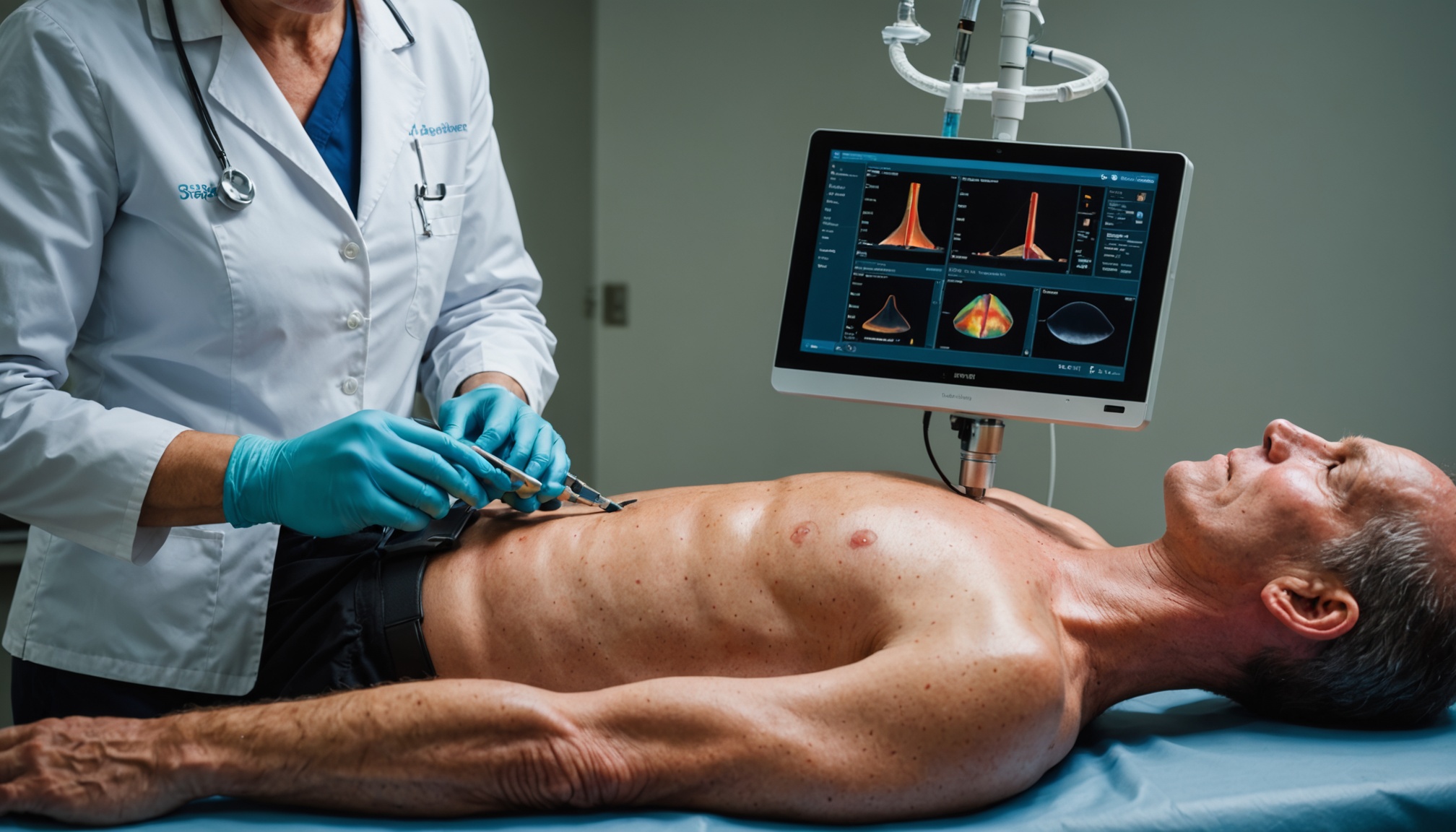
Pancreatitis — acute or chronic — is a serious inflammatory condition of the pancreas. Gallstones and alcohol account for 80% of acute cases. Severity ranges from mild and self-limiting to life-threatening necrotising pancreatitis. Chronic pancreatitis leads to progressive exocrine and endocrine insufficiency requiring long-term enzyme replacement and nutritional support.
Acute Pancreatitis — Diagnosis and Severity
Acute pancreatitis is confirmed by serum amylase or lipase more than three times the upper limit of normal in the context of clinical features. Lipase is more sensitive and remains elevated longer. All patients require FBC, U&E, LFTs, glucose, calcium, and CRP. Severity is assessed using the Glasgow or APACHE-II score at 24 and 48 hours — a CRP above 150 mg/L at 48 hours, or a Glasgow score of 3 or more, predicts severe disease. CT abdomen with contrast (Balthazar score) should be performed at 48–72 hours if the patient deteriorates or severe pancreatitis is predicted, to assess for pancreatic necrosis.
Supportive Management — Fluids, Analgesia and Nutrition
IV fluid resuscitation is the cornerstone of acute management — NICE NG104 recommends Hartmann's solution at 250–500 mL boluses, guided by clinical response and urine output target of at least 0.5 mL/kg/hour. Analgesia: morphine 5–10 mg SC or IV is first-line for severe pain; paracetamol 1 g four times daily as background; diclofenac 75 mg IM for mild–moderate pain. NICE NG104 recommends early enteral nutrition within 24–48 hours via nasogastric or nasojejunal tube — parenteral nutrition should only be used if the enteral route is not possible. Prophylactic antibiotics are NOT recommended.
Chronic Pancreatitis and Complications
Chronic pancreatitis causes irreversible fibrosis and loss of exocrine function — leading to steatorrhoea, malnutrition, and eventually diabetes mellitus (type 3c). Pancreatic enzyme replacement therapy (PERT) with Creon 25,000 units (1–2 capsules with each meal, 1 with snacks) is the cornerstone of management — a PPI improves efficacy by reducing acid inactivation of enzymes. Pain is managed with paracetamol first-line; pregabalin for neuropathic component; specialist pain team for refractory cases. Alcohol cessation is the most important modifiable factor. Gallstone pancreatitis should be treated with laparoscopic cholecystectomy before discharge or within 2 weeks (NICE NG104).