Peripheral Artery Disease (PAD)
Understanding poor circulation in the legs — symptoms, diagnosis and treatment
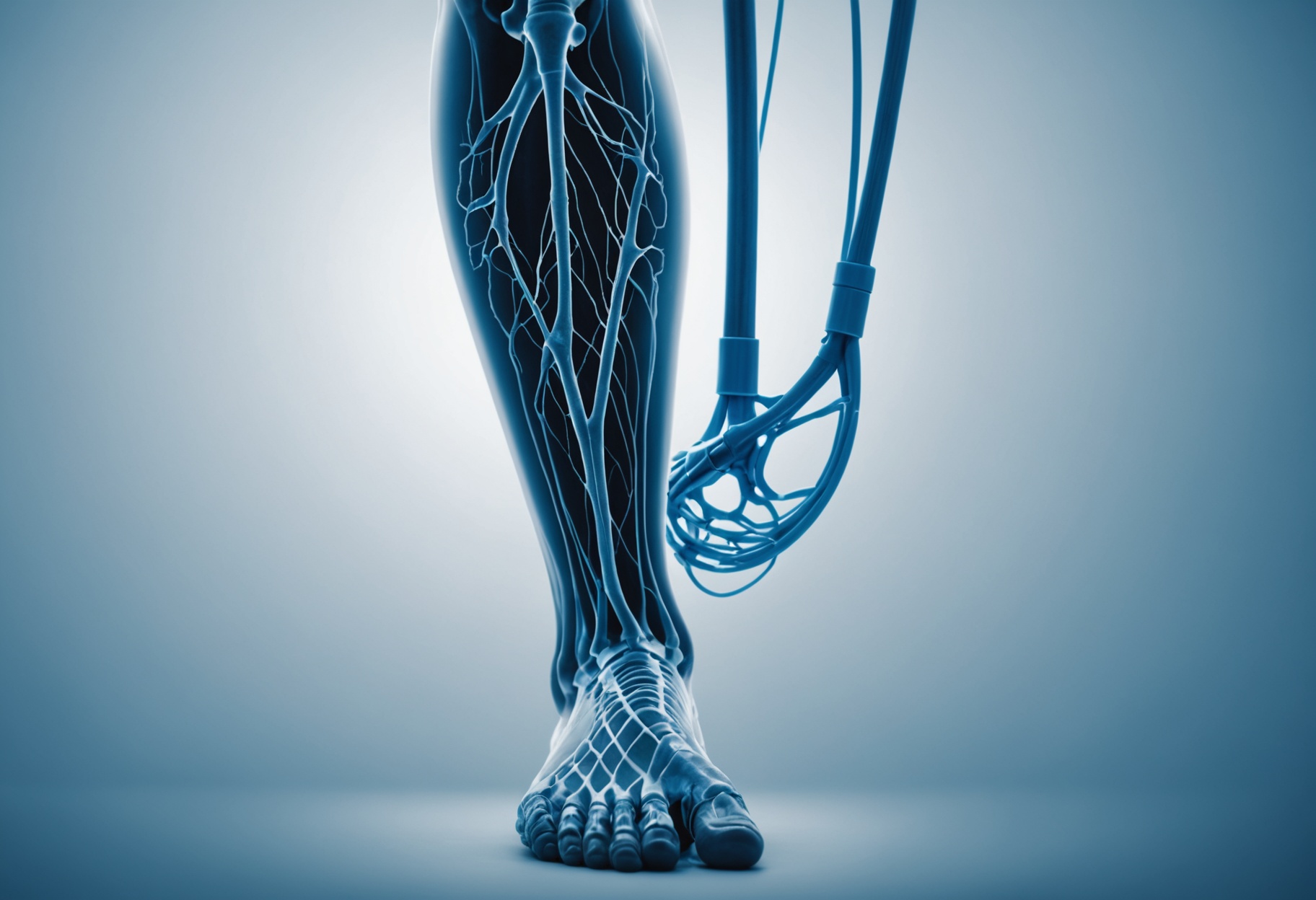
Peripheral artery disease (PAD), also called peripheral arterial disease, occurs when atherosclerosis (a build-up of fatty plaques) narrows the arteries supplying the legs and feet, reducing blood flow. It affects around 1 in 5 people over the age of 60 in the UK. PAD is an important marker of widespread cardiovascular disease — people with PAD are at significantly increased risk of heart attack and stroke.
Symptoms and severity
The classic symptom of PAD is intermittent claudication — a cramping pain in the calf, thigh or buttock that comes on predictably with walking and is relieved by rest. The pain occurs because exercising muscles cannot receive enough blood due to the narrowed arteries. As PAD progresses, pain can occur at rest (rest pain), and in severe cases, tissue can die — a condition called critical limb ischaemia (CLI), which presents with rest pain, ulcers or gangrene, and requires urgent specialist referral. The Fontaine classification describes PAD severity: Stage I (asymptomatic), Stage II (intermittent claudication), Stage III (rest pain), Stage IV (ulcers or gangrene).
Diagnosis
The ankle-brachial pressure index (ABPI) is the key diagnostic test. It compares blood pressure at the ankle to blood pressure at the arm using a Doppler device. A normal ABPI is 0.9–1.3. An ABPI below 0.9 confirms PAD. Values below 0.5 indicate severe ischaemia. Values above 1.3 suggest arterial calcification (common in diabetes) and are unreliable — toe pressure measurement is used instead. Duplex ultrasound, CT angiography or MR angiography may be used to map the extent of disease for revascularisation planning.
Treatment
Clopidogrel 75 mg daily is the recommended antiplatelet agent for PAD (NICE NG147). A high-intensity statin (atorvastatin 80 mg) and blood pressure control are mandatory to reduce cardiovascular event risk. Supervised exercise therapy — a structured walking programme — is the most effective treatment for intermittent claudication and should be offered before considering revascularisation. Naftidrofuryl oxalate tablets may be offered as an alternative if supervised exercise is declined or not available. For severe or critical limb ischaemia, revascularisation — either surgical (bypass) or endovascular (angioplasty with or without stenting) — may be required to save the limb.
Risk factor management
Smoking is the single most important modifiable risk factor for PAD — smokers have a 2–3 times greater risk, and smoking cessation is the most effective intervention to slow disease progression. Strict glycaemic control in diabetes is essential as hyperglycaemia accelerates atherosclerosis and impairs wound healing. Regular foot care and inspection is critical — people with PAD (especially those with diabetes) are at very high risk of foot ulcers and should check their feet daily for breaks or sores.
When to seek urgent help
Sudden worsening of limb symptoms — acute onset of severe pain, pallor, pulselessness, paraesthesia and paralysis (the '6 Ps') — indicates acute limb ischaemia, which is a surgical emergency requiring immediate 999 call. This is caused by sudden arterial occlusion, either from thrombosis or embolism, and limb viability is at risk within hours. All information has been prepared following careful evaluation of current NICE guidance on peripheral arterial disease (NICE NG147, 2020).