Stroke & TIA
Recognising stroke, emergency treatment and preventing a second event
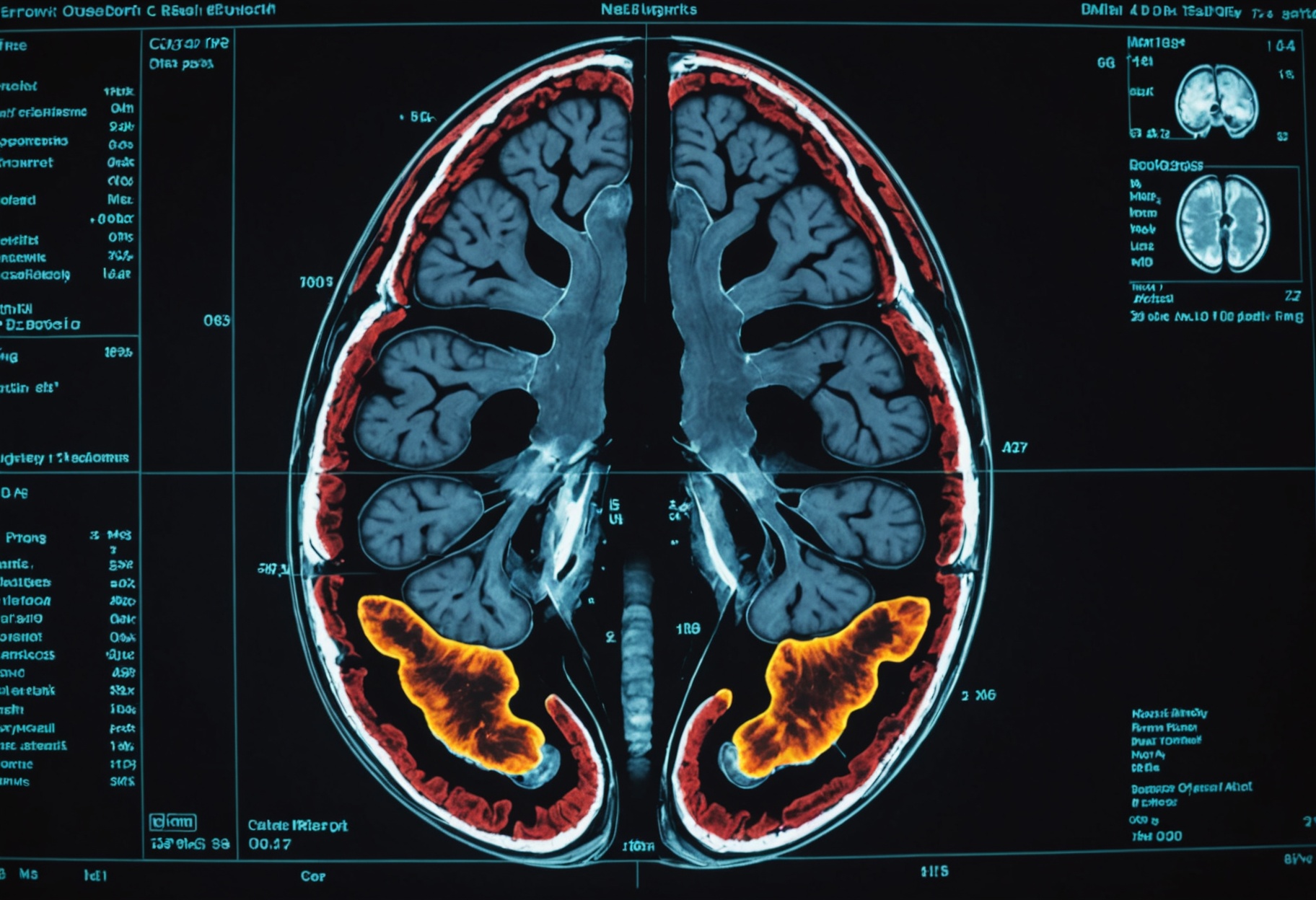
Stroke is a medical emergency that occurs when the blood supply to part of the brain is cut off. Every minute that passes without treatment, approximately 1.9 million brain cells die. In the UK, around 100,000 people have a stroke each year, making it the fourth leading cause of death and the most common cause of complex disability in adults. Acting immediately can save lives and reduce lasting disability.
Recognising stroke — FAST
The FAST acronym is the cornerstone of stroke recognition: Face drooping on one side (ask the person to smile); Arm weakness (ask them to raise both arms — does one drift down?); Speech difficulty (slurred, confused or unable to speak); Time to call 999. Other symptoms include sudden severe headache ('thunderclap'), vision problems (sudden loss or blurring), loss of balance, confusion and swallowing difficulties. A transient ischaemic attack (TIA or 'mini-stroke') causes the same symptoms but they resolve within 24 hours — usually within minutes. A TIA is a major warning sign and must be assessed as an emergency the same day using the ABCD2 score.
Types of stroke and emergency treatment
About 85% of strokes are ischaemic — caused by a blood clot blocking an artery supplying the brain. The remaining 15% are haemorrhagic — caused by bleeding into or around the brain. Treatment depends on the type: for ischaemic stroke, thrombolysis (alteplase IV) can dissolve the clot if given within 4.5 hours of symptom onset, and mechanical thrombectomy (physically removing the clot via a catheter) is recommended within 24 hours if the patient meets criteria. Haemorrhagic strokes are managed differently — blood thinners must be reversed urgently. Brain imaging (CT scan) is essential to distinguish the two types before treatment.
Secondary prevention after ischaemic stroke
After an ischaemic stroke or TIA, lifelong antiplatelet therapy is required to prevent a second stroke. Clopidogrel 75 mg daily is the recommended first-line antiplatelet (NICE NG128). Blood pressure management is critical — a target of below 130/80 mmHg is recommended. High-intensity statin therapy (atorvastatin 80 mg) should be started in all patients with ischaemic stroke. If AF is identified as the cause of stroke, anticoagulation (usually a DOAC) is required rather than antiplatelet therapy. Lifestyle changes — stopping smoking, reducing alcohol, healthy diet and regular exercise — are essential alongside medication.
Stroke rehabilitation
Rehabilitation begins as soon as the patient is medically stable, ideally within 24 hours. A multidisciplinary team — including physiotherapy, occupational therapy, speech and language therapy and neuropsychology — works together to maximise recovery. The brain has a remarkable capacity for recovery through neuroplasticity — the ability to form new connections to compensate for damaged areas. Most recovery occurs in the first weeks to months, but improvement can continue for years with continued effort and support.
Life after stroke
Around a third of stroke survivors have significant disability. Emotional and psychological effects — including depression, anxiety and post-stroke fatigue — are extremely common and require active support. Post-stroke depression affects up to 33% of survivors and should be treated proactively. All stroke survivors should have a structured review within 6 weeks of discharge, and annually thereafter. Driving must cease following a stroke and a minimum of one month off driving is required for TIA. All information has been prepared following careful evaluation of current NICE guidance on stroke and TIA (NICE NG128, 2019).