Type 1 Diabetes
Understanding insulin-dependent diabetes — living well with it every day
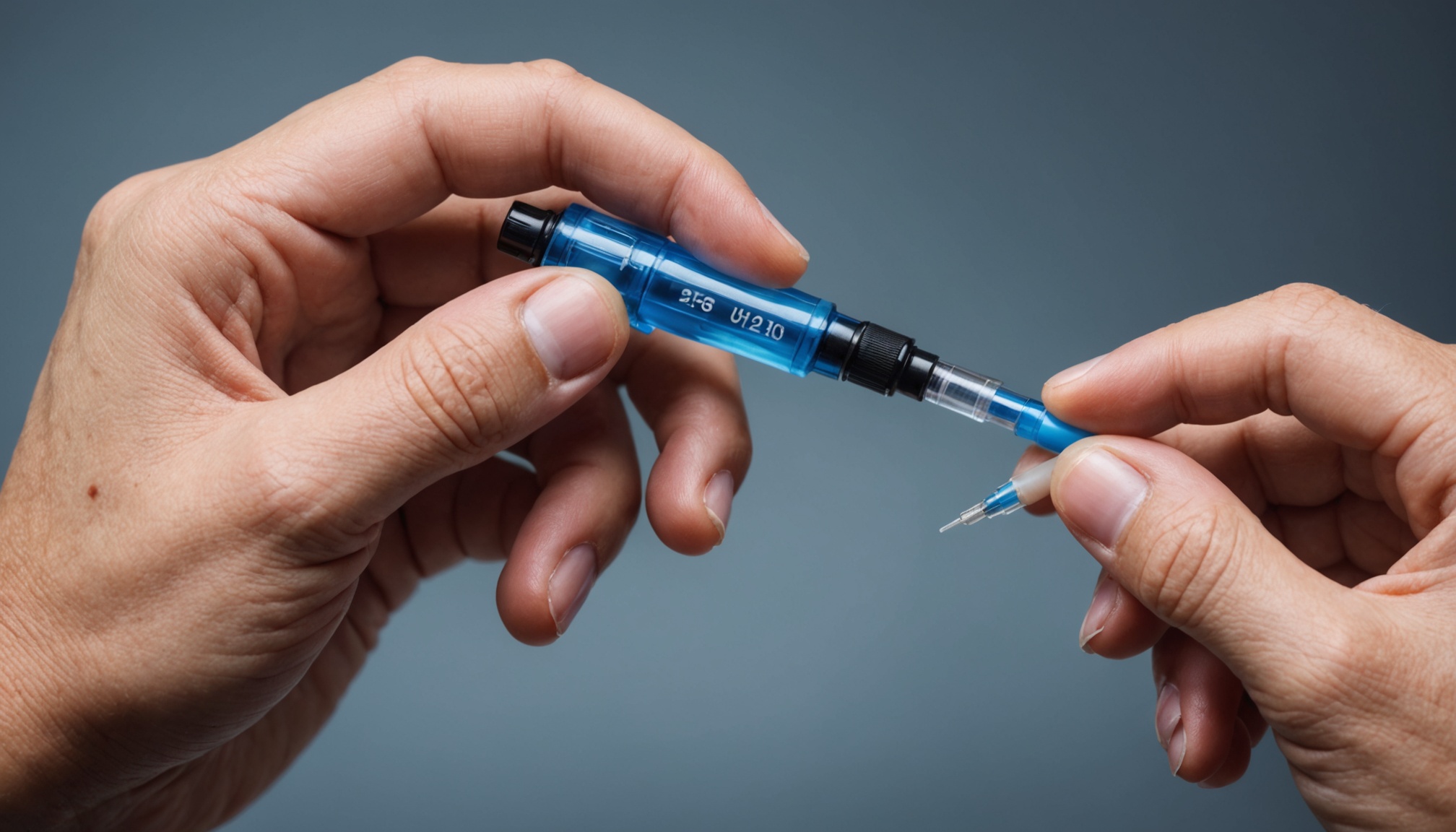
Type 1 diabetes is an autoimmune condition in which the body's immune system destroys the insulin-producing cells in the pancreas. Without insulin, the body cannot use glucose for energy. It affects around 400,000 people in the UK and can develop at any age, though it most commonly begins in childhood or early adulthood.
What is type 1 diabetes?
Unlike type 2 diabetes, type 1 is not caused by lifestyle factors. The immune system mistakenly attacks the beta cells in the pancreas that produce insulin, leaving the body unable to produce any insulin at all. As a result, people with type 1 diabetes must take insulin every day to survive — there is currently no cure, though research is ongoing.
Recognising the symptoms
Type 1 diabetes often comes on quickly and can be serious if not diagnosed and treated promptly. The classic symptoms are the '4 Ts': Thirst (excessive), Toilet (urinating frequently), Tiredness (extreme fatigue), and Thinner (unexplained weight loss). Other symptoms include blurred vision, recurrent thrush infections, and slow-healing wounds. Diabetic ketoacidosis (DKA) — a dangerous complication — can occur if the condition is not treated.
Managing type 1 diabetes with insulin
People with type 1 diabetes require insulin therapy to survive. The most common approach is a basal-bolus regimen — a long-acting background insulin taken once or twice daily, combined with a fast-acting insulin taken with each meal. The insulin dose is adjusted based on blood glucose readings, carbohydrate intake, and activity levels. Carbohydrate counting is an important skill that allows people to match their mealtime insulin dose to the amount of carbohydrate eaten.
Technology and monitoring
Continuous glucose monitoring (CGM) devices and flash glucose monitors (such as the Libre) have transformed diabetes management, allowing people to see their glucose levels in real time without finger-prick tests. Insulin pumps (continuous subcutaneous insulin infusion, CSII) can provide more precise insulin delivery for some people. These technologies are now widely available on the NHS for people with type 1 diabetes and can significantly improve glucose control and quality of life.
Living well with type 1 diabetes
Type 1 diabetes requires daily attention and management, but people living with it can lead full, active and healthy lives. Exercise, diet, stress and illness all affect glucose levels and require adjustment. Knowing how to recognise and treat hypoglycaemia (low blood sugar) is essential. JDRF and Diabetes UK offer excellent community support. This content has been prepared following careful evaluation of current national guidelines to ensure it reflects best practice in type 1 diabetes care.