Type 2 Diabetes
What you need to know about blood sugar, lifestyle and treatment
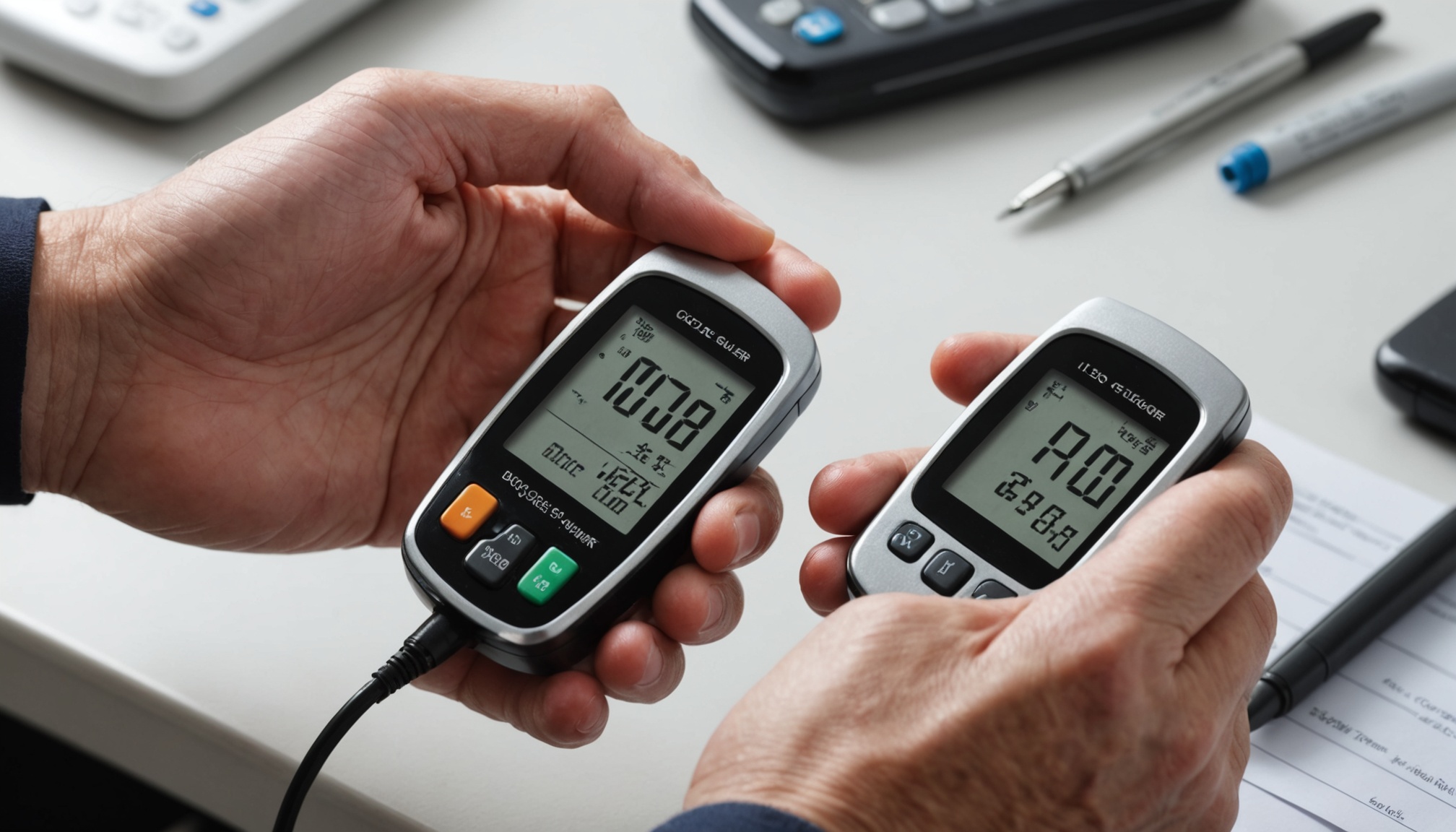
Type 2 diabetes is a condition in which the body does not produce enough insulin, or the insulin it produces does not work properly. It is the most common form of diabetes, affecting around 4 million people in the UK, and is closely linked to lifestyle factors such as diet, physical activity and weight.
What is type 2 diabetes?
In type 2 diabetes, the cells of the body become resistant to insulin — a hormone produced by the pancreas that allows glucose (sugar) from food to enter cells and be used for energy. As a result, glucose builds up in the bloodstream instead. Over time, high blood glucose levels can damage blood vessels and nerves throughout the body, leading to serious complications affecting the eyes, kidneys, heart and feet.
Who is at risk?
Type 2 diabetes is more common in people who are overweight or obese, particularly those with excess weight around the abdomen. Other risk factors include a family history of diabetes, being of South Asian, Black African or African-Caribbean ethnicity, having high blood pressure, having had gestational diabetes during pregnancy, and being over 40 (or over 25 if you are from a higher-risk ethnic group). Polycystic ovary syndrome (PCOS) also increases risk.
Symptoms to be aware of
Many people with type 2 diabetes have no symptoms at all, or very mild symptoms that they may not notice. Common signs include feeling unusually thirsty, passing urine more frequently (especially at night), feeling very tired, blurred vision, cuts or wounds that heal slowly, and frequent infections such as thrush. Symptoms develop gradually, which is why the condition often goes undiagnosed for several years.
How is diabetes managed?
Type 2 diabetes management starts with changes to diet and physical activity. A healthy, balanced diet with reduced sugar and refined carbohydrates, regular exercise, and weight loss if needed can significantly improve blood glucose control — and in some cases even put the condition into remission. When lifestyle changes are not sufficient, medication is prescribed to help lower blood glucose levels. Some medications also offer important benefits for the heart and kidneys. Regular blood tests, eye screening, foot checks and kidney tests are all part of routine diabetes care.
Preventing complications
The good news is that many of the serious complications of diabetes can be prevented or delayed with good blood glucose control and a healthy lifestyle. Attending all your diabetes appointments, taking your medications as prescribed, stopping smoking, managing blood pressure and cholesterol, and looking after your feet every day are all key steps. Diabetes UK offers excellent support and resources for people living with the condition. Remember — small, consistent steps taken every day add up to real protection against long-term harm. This information has been updated following evaluation of current national guidance on diabetes management.