Urinary Tract Infection (UTI)
Bladder and kidney infections — recognition, prevention and management
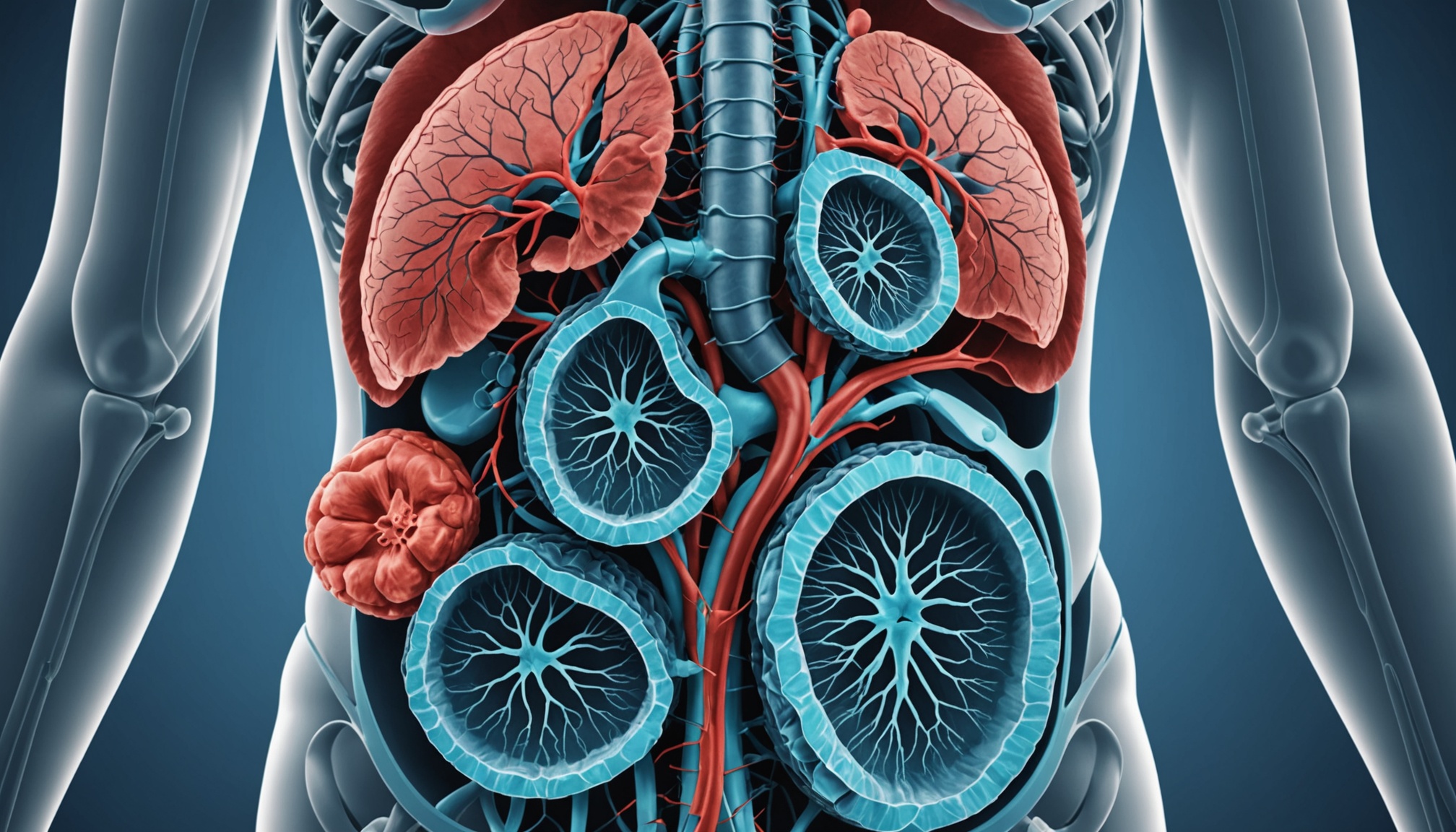
Urinary tract infections are among the most common bacterial infections worldwide, affecting people of all ages. They are particularly prevalent in women, with around half of all women experiencing at least one UTI during their lifetime. Understanding the causes, symptoms, and when to seek help can significantly reduce complications.
What is a UTI?
A urinary tract infection (UTI) occurs when bacteria — most commonly Escherichia coli (E. coli) from the bowel — enter the urinary tract and multiply. The infection can affect the bladder (cystitis), the urethra (urethritis), or travel upwards to the kidneys (pyelonephritis). Lower UTIs involving the bladder and urethra are by far the most common and are generally straightforward to treat. Upper UTIs involving the kidneys are more serious and require prompt medical attention.
Causes & Risk Factors
The most common cause is E. coli, accounting for around 80% of cases. Other bacteria including Staphylococcus saprophyticus, Klebsiella, and Proteus species can also cause UTIs. Risk factors in women include sexual activity, use of spermicides or diaphragms, pregnancy, the menopause (reduced oestrogen leading to vaginal changes), and urinary catheters. In men, UTIs are less common but may be associated with prostate enlargement (benign prostatic hyperplasia), urinary catheters, or structural abnormalities. Diabetes, kidney stones, and conditions that affect bladder emptying also increase the risk.
Signs & Diagnosis
The classic symptoms of a lower UTI include a burning or stinging sensation when passing urine (dysuria), needing to pass urine more frequently than usual, an urgent need to urinate, passing only small amounts of urine each time, cloudy, dark or strong-smelling urine, and pain or discomfort in the lower abdomen. Upper UTI (pyelonephritis) presents with fever, shivering, loin or back pain, nausea, and vomiting in addition to urinary symptoms. Diagnosis is confirmed through clinical evaluation of symptoms alongside a urine dipstick test, and urine culture when needed to identify the bacteria and its sensitivity to antibiotics. Blood tests and renal imaging may be required if pyelonephritis or complications are suspected.
Prevention & When to Seek Help
Several measures can help reduce the risk of recurrent UTIs. Drinking plenty of fluids — around 2 litres of water per day — helps to flush bacteria from the urinary tract. Voiding after sexual intercourse, wiping front to back after using the toilet, and avoiding irritants such as bubble baths and spermicide-containing products can all reduce risk. Cranberry products have limited evidence for prevention. Seek medical help promptly if you develop symptoms of a kidney infection (fever, loin pain, rigors) or if symptoms do not improve within 48 hours. Seek emergency help if you feel severely unwell, have a very high temperature, or notice blood in your urine without an obvious explanation. Women with recurrent UTIs should discuss preventive strategies with their GP.